Haverhill Historical Society Historic District

Why it's listed
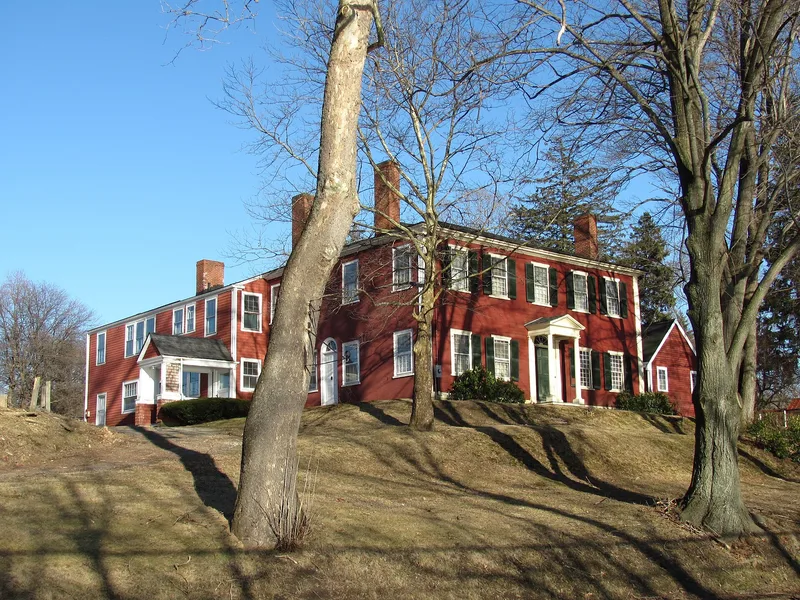
Perched on a rise above Water Street and the Merrimack River in Haverhill, this small district preserves part of a farm once held by the Saltonstall and Duncan families for more than 250 years. The largest building is the Duncan House, also called Buttonwoods, a two-story Federal double house traditionally dated to 1814, with brick end walls, a fanlighted entry and a Shingle style rear ell added in the 1880s. Nearby stand a gambrel-roofed house that began in the early 18th century and a mid-19th-century shoe shop moved to the site in 1957. The farm was subdivided in the late 19th century, leaving the house lot. In 1903 the Duncans donated the property to the Haverhill Historical Society, which added exhibition halls in the twentieth century, including Ayer-Elliott Hall and Tenney Hall. The district counts twenty contributing resources and four noncontributing ones, and it continues to serve as a museum.
Machine-generated summary. This summary was generated by a language model from the official nomination document and has not been reviewed line by line by an editor. It may contain errors. Check the source document before relying on any detail. Source: nomination document (PDF) · catalog entry. Generated October 2026 (model claude-sonnet-5-5, prompt v1.0-2026-10-29).
| Styles | Colonial, Federal, Shingle, Colonial Revival |
|---|---|
| Areas of significance | Architecture, Community Planning and Development, Education, Social History |
| Acreage | 1.5 |
| Boundary source | NPS cultural-resource GIS polygon |
| Full listing page | Haverhill Historical Society Historic District (property record) |
What listing means for this property
This is a historic district. Buildings within its boundary are either contributing (they add to the district's significance) or non-contributing. Owners of contributing income-producing buildings can claim the 20% federal rehabilitation tax credit; homeowners should look at state credits. National Register districts impose no design review by themselves; a local historic district ordinance, if one exists, does (the difference explained).
General information, not legal or tax advice. Rules change; confirm with your State Historic Preservation Office or a qualified adviser.