Harvard Shaker Village Historic District

Why it's listed
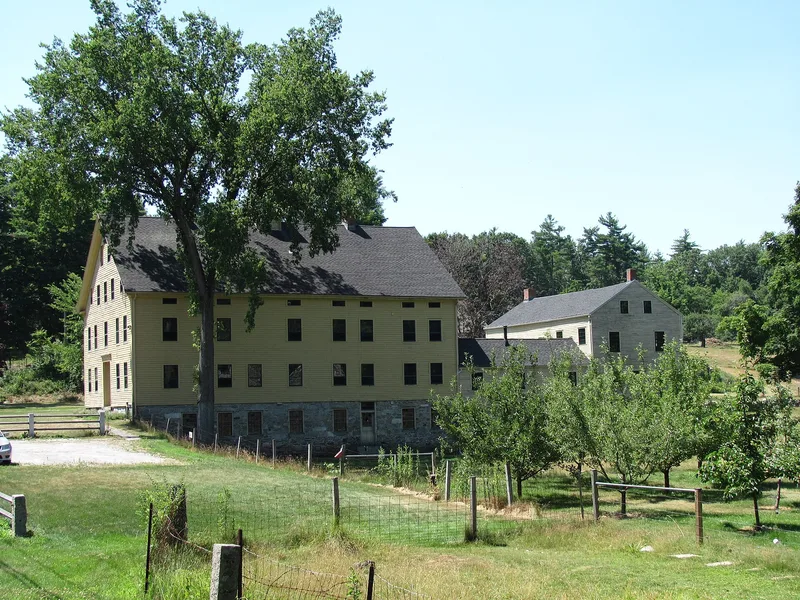
Harvard Shaker Village preserves the core of Massachusetts' first Shaker community, which began informally in 1781 with the arrival of Mother Ann Lee and lasted until 1918. The district covers about 155 acres and includes the Church Family and South Family complexes, a cemetery with more than 300 burials, and Holy Hill of Zion, an outdoor worship area laid out in 1842. Most surviving buildings date from 1800 to about 1850. They are simple frame structures, mostly clapboarded, blending Federal and Greek Revival forms in line with Shaker rules against fanciful architecture. Key buildings include the 1791 Meetinghouse, the Second House, the 1847 Ministry and the large New Office built in the 1840s. The community prospered through seeds, herbs, applesauce, dairy products and crafts, reaching a population of about 200 in 1850. Later private owners maintained many buildings, and remains of lost structures and a mid-1850s water system add archaeological potential.
Machine-generated summary. This summary was generated by a language model from the official nomination document and has not been reviewed line by line by an editor. It may contain errors. Check the source document before relying on any detail. Source: nomination document (PDF) · catalog entry. Generated October 2026 (model claude-sonnet-5-5, prompt v1.0-2026-10-29).
| Styles | Early Republic/Federal; Mid-19th Century/Greek Revival; no style |
|---|---|
| Areas of significance | Community Planning and Development, Commerce, Historic - Non-Aboriginal, Art, Agriculture, Engineering, Religion, Social History |
| Acreage | 155 |
| Boundary source | NPS cultural-resource GIS polygon |
| Full listing page | Harvard Shaker Village Historic District (property record) |
What listing means for this property
This is a historic district. Buildings within its boundary are either contributing (they add to the district's significance) or non-contributing. Owners of contributing income-producing buildings can claim the 20% federal rehabilitation tax credit; homeowners should look at state credits. National Register districts impose no design review by themselves; a local historic district ordinance, if one exists, does (the difference explained).
General information, not legal or tax advice. Rules change; confirm with your State Historic Preservation Office or a qualified adviser.