Fernald, Walter E., State School

Why it's listed
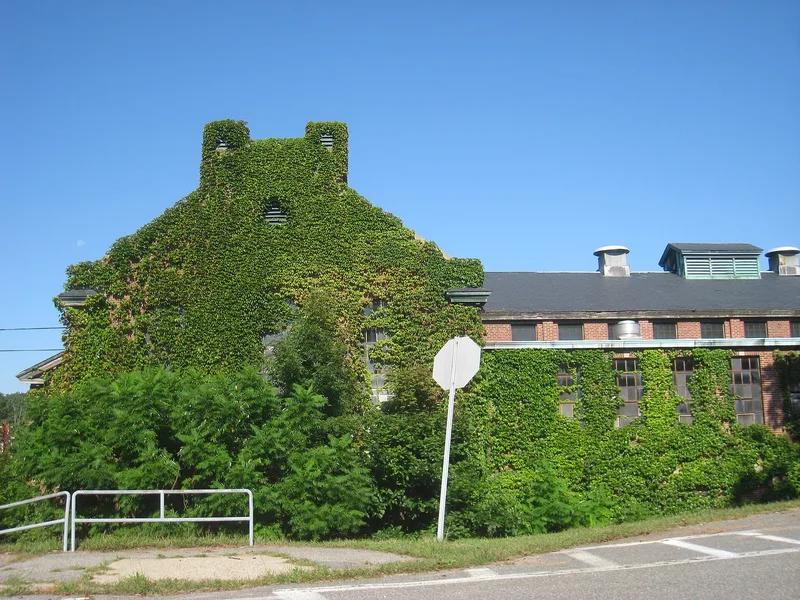
Spread across 180 acres of rolling land in Waltham, this former state school for people with intellectual disabilities grew from an institution founded in 1848 and moved to the Trapelo Road site in 1888. Its freestanding red brick buildings follow the contours of the land rather than a rigid grid, making it the second campus in the Massachusetts system laid out on the cottage plan. Boston architect William Gibbons Preston designed most of the earliest buildings, built between 1889 and 1910 with fieldstone foundations, sandstone trim and Queen Anne detailing. Later Colonial Revival dormitories and service buildings of the 1920s and 1930s filled in the central campus, and Craftsman staff cottages were added in 1925. The school is associated with Samuel Gridley Howe, Edward Jarvis and superintendent Walter E. Fernald, who shaped its mission. New construction and renovation have changed parts of the campus, but the early character remains clear, and most historic buildings survive.
Machine-generated summary. This summary was generated by a language model from the official nomination document and has not been reviewed line by line by an editor. It may contain errors. Check the source document before relying on any detail. Source: nomination document (PDF) · catalog entry. Generated October 2026 (model claude-sonnet-5-5, prompt v1.0-2026-10-29).
| Period of significance | 1888-1940 |
|---|---|
| Styles | Mid 19th: Greek Revival; Late Victorian: Queen Anne; 19th/20th Revivals: Colonial Revival, Tudor Revival; 19th/20th American: Craftsman |
| Areas of significance | Architecture, Health/Medicine, Social History |
| Acreage | 180 |
| Boundary source | NPS cultural-resource GIS polygon |
| Full listing page | Fernald, Walter E., State School (property record) |
What listing means for this property
This is a historic district. Buildings within its boundary are either contributing (they add to the district's significance) or non-contributing. Owners of contributing income-producing buildings can claim the 20% federal rehabilitation tax credit; homeowners should look at state credits. National Register districts impose no design review by themselves; a local historic district ordinance, if one exists, does (the difference explained).
General information, not legal or tax advice. Rules change; confirm with your State Historic Preservation Office or a qualified adviser.