Farlow and Kendrick Parks Historic District

Why it's listed
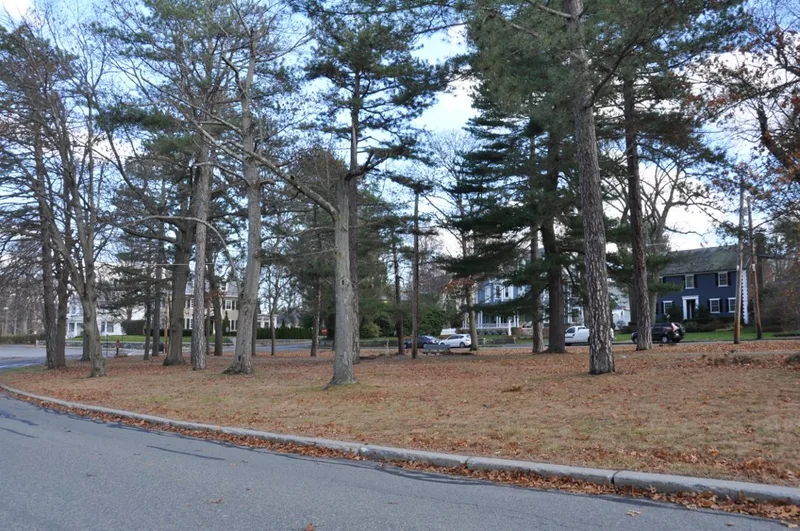
Farlow and Kenrick Parks form the core of a sixty-acre residential district in Newton Corner, Massachusetts, with 164 buildings, fewer than 35 built after 1907. Kenrick Park was laid out in 1845 by Alexander Wadsworth at the request of nurseryman William Kenrick, and Farlow Park followed in the 1880s on land donated by John S. Farlow. Railroad service from Boston, and later streetcar lines, drew upper and middle class commuters, and the neighborhood filled with houses between 1870 and 1910. Nearly every major nineteenth century residential style appears, from Greek Revival houses near Centre Street to elaborate Queen Anne residences on Franklin Street. Churches add distinction, among them Immanuel Baptist Church by H.H. Richardson's office, the Byzantine-inspired Methodist church by Cram, Wentworth and Goodhue, and Grace Episcopal Church by Alexander Esty. The district was listed for its architectural quality, planned landscape and suburban character.
Machine-generated summary. This summary was generated by a language model from the official nomination document and has not been reviewed line by line by an editor. It may contain errors. Check the source document before relying on any detail. Source: nomination document (PDF) · catalog entry. Generated October 2026 (model claude-sonnet-5-5, prompt v1.0-2026-10-29).
| Period of significance | 1870-1910 |
|---|---|
| Styles | Variety of Victorian styles including Federal, Greek Revival, Italianate, Second Empire, Queen Anne, Shingle, Stick and Colonial Revival |
| Areas of significance | Landscape Architecture, Architecture |
| Acreage | 60 |
| Boundary source | NPS cultural-resource GIS polygon |
| Full listing page | Farlow and Kendrick Parks Historic District (property record) |
What listing means for this property
This is a historic district. Buildings within its boundary are either contributing (they add to the district's significance) or non-contributing. Owners of contributing income-producing buildings can claim the 20% federal rehabilitation tax credit; homeowners should look at state credits. National Register districts impose no design review by themselves; a local historic district ordinance, if one exists, does (the difference explained).
General information, not legal or tax advice. Rules change; confirm with your State Historic Preservation Office or a qualified adviser.