Elmwood

Why it's listed
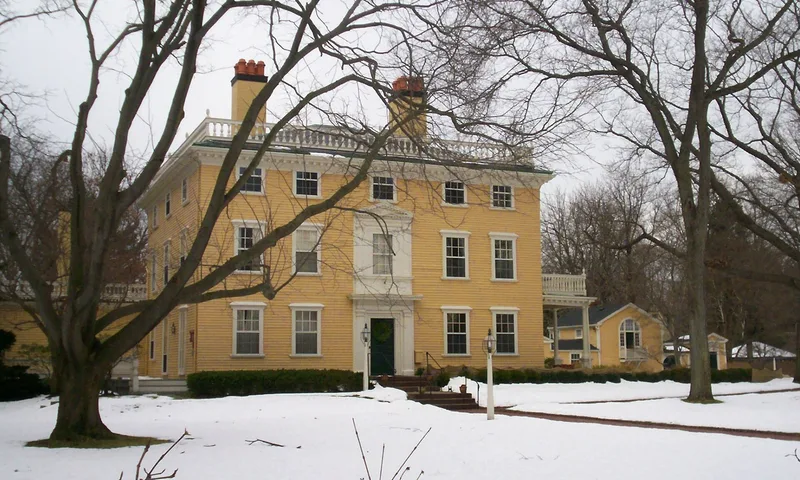
Elmwood is a large three-story frame and clapboard house in Cambridge, Massachusetts, built about 1767 by Thomas Oliver on a farm estate of some 100 acres. It is Mid-Georgian in style, with a hipped roof, balustrade, modillioned cornice and a five-bay facade with Tuscan pilasters at the entrance. Later additions include a porch, a late 19th-century library wing and a terrace. Oliver, the last royal Lieutenant Governor of Massachusetts, lived there until a crowd of thousands forced his resignation from the Council in 1774. Elbridge Gerry, a signer of the Declaration of Independence and later Vice-President, owned it from 1787 to 1813 and took his oath of office there. Poet, editor and diplomat James Russell Lowell was born at Elmwood in 1819 and lived there for most of his life until 1891. Harvard acquired the house in 1962, and it is now the president's residence. The adjacent Lowell Park, once part of the estate, is included in the boundary.
Machine-generated summary. This summary was generated by a language model from the official nomination document and has not been reviewed line by line by an editor. It may contain errors. Check the source document before relying on any detail. Source: nomination document (PDF) · catalog entry. Generated October 2026 (model claude-sonnet-5-5, prompt v1.0-2026-10-29).
| Period of significance | 1767; 1819-1891 |
|---|---|
| Styles | Mid-Georgian |
| Areas of significance | Literature, Politics/Government, Architecture |
| Acreage | 4 |
| Boundary source | NPS cultural-resource GIS polygon |
| Full listing page | Elmwood (property record) |
What listing means for this property
This is a historic district. Buildings within its boundary are either contributing (they add to the district's significance) or non-contributing. Owners of contributing income-producing buildings can claim the 20% federal rehabilitation tax credit; homeowners should look at state credits. National Register districts impose no design review by themselves; a local historic district ordinance, if one exists, does (the difference explained).
General information, not legal or tax advice. Rules change; confirm with your State Historic Preservation Office or a qualified adviser.