East Princeton Village Historic District

Why it's listed
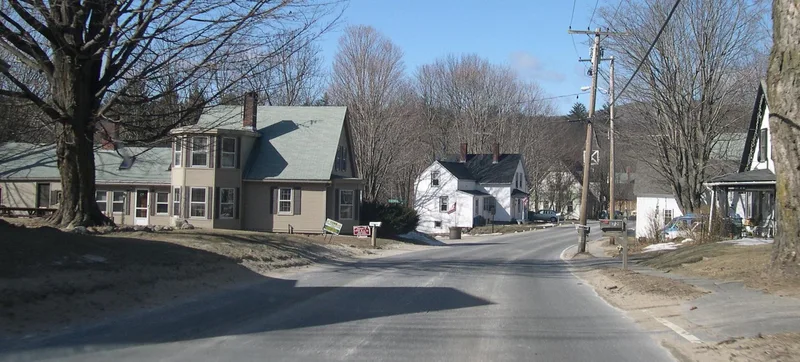
East Princeton Village is a compact district of about 200 acres in eastern Princeton, Massachusetts, laid out along Main Street (Route 140) and the waterpower of Keyes Brook. Chairmaking took hold here in 1841, when Joseph M. Stuart began production, and by 1857 as many as four chair shops and a sawmill were operating. The last mill closed in 1910. Surviving buildings show a village that functioned largely on its own: large Greek Revival houses built for chair manufacturers, modest cottages for factory workers, a temple-front schoolhouse and meeting hall, a Stick Style chapel, two stores and a former tavern. A few Federal-period houses predate the industrial boom. The former mill area along the brook has returned to woods, though dams, stone waterways, a stone bridge and foundations remain. Little demolition or modern construction has occurred, so the nineteenth-century character of the village is still well preserved, including many barns and outbuildings.
Machine-generated summary. This summary was generated by a language model from the official nomination document and has not been reviewed line by line by an editor. It may contain errors. Check the source document before relying on any detail. Source: nomination document (PDF) · catalog entry. Generated October 2026 (model claude-sonnet-5-5, prompt v1.0-2026-10-29).
| Styles | Federal; Greek Revival; Gothic Revival; Second Empire; Stick Style |
|---|---|
| Areas of significance | Architecture, Community Planning and Development, Industry |
| Acreage | 200 |
| Boundary source | NPS cultural-resource GIS polygon |
| Full listing page | East Princeton Village Historic District (property record) |
What listing means for this property
This is a historic district. Buildings within its boundary are either contributing (they add to the district's significance) or non-contributing. Owners of contributing income-producing buildings can claim the 20% federal rehabilitation tax credit; homeowners should look at state credits. National Register districts impose no design review by themselves; a local historic district ordinance, if one exists, does (the difference explained).
General information, not legal or tax advice. Rules change; confirm with your State Historic Preservation Office or a qualified adviser.