Downtown Salem District

Why it's listed
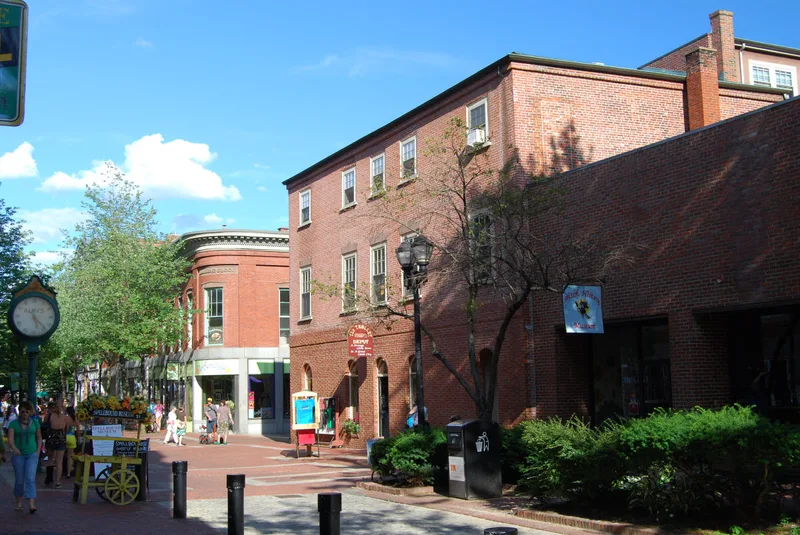
Downtown Salem District covers the historic commercial center of Salem, Massachusetts, and was entered in the national register in October 1983 as one of ten nominations in the Downtown Salem Multiple Resource Area. The pages available here hold only a missing-documentation notice, a processing sheet and owner correspondence, so the buildings themselves are not described. A letter from the state historical commission says downtown Salem has played a crucial role in the development of Essex County since its founding in 1626. Owners in one section of the district were notified in March 1983. Only three responded. The operator of a restaurant at 143 Washington Street supported listing, and a bank at 71 Washington Street objected without notarizing its letter. The Salem News Publishing Company, at 155 Washington Street, filed a notarized objection, saying three of its buildings were beyond rehabilitation and slated for demolition. Because a majority of owners did not object, the district could be listed.
Machine-generated summary. This summary was generated by a language model from the official nomination document and has not been reviewed line by line by an editor. It may contain errors. Check the source document before relying on any detail. Source: nomination document (PDF) · catalog entry. Generated October 2026 (model claude-sonnet-5-5, prompt v1.0-2026-10-29).
| Areas of significance | Commerce, Architecture |
|---|---|
| Boundary source | NPS cultural-resource GIS polygon |
| Full listing page | Downtown Salem District (property record) |
What listing means for this property
This is a historic district. Buildings within its boundary are either contributing (they add to the district's significance) or non-contributing. Owners of contributing income-producing buildings can claim the 20% federal rehabilitation tax credit; homeowners should look at state credits. National Register districts impose no design review by themselves; a local historic district ordinance, if one exists, does (the difference explained).
General information, not legal or tax advice. Rules change; confirm with your State Historic Preservation Office or a qualified adviser.