Charles River Reservation Parkways

Why it's listed
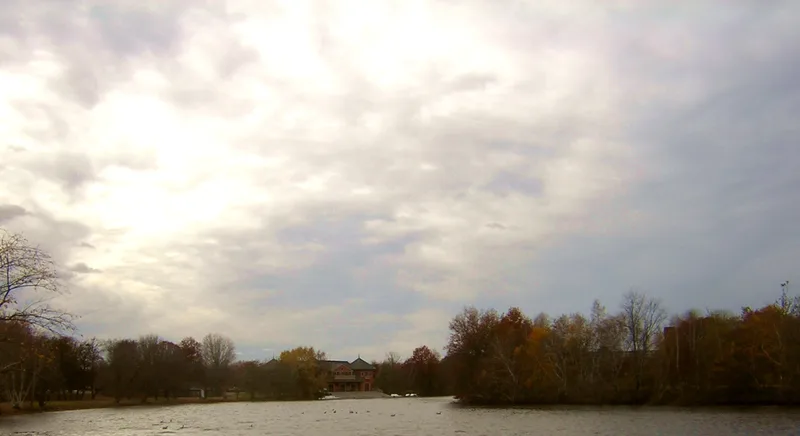
Along the Charles River west of Eliot Bridge, a chain of parkways links Boston, Newton, Watertown and Weston. The district covers segments of Soldiers Field Road, Nonantum Road, Leo Birmingham Parkway, Arsenal Street, Greenough Boulevard, North Beacon Street and Charles River Road, plus bridges, a monument, medians and a stone retaining wall. Most are curving, narrow roads set beside riverside parkland. The roads grew out of the Metropolitan Park Commission's 1893 plan, drawn up by Charles Eliot and Sylvester Baxter and developed by the Olmsted firms and Arthur Shurcliff. Early work included the Speedway of 1899, Charles River Road begun in 1901, and Greenough Boulevard in 1906. Nonantum Road was finished in 1931 and Leo Birmingham Parkway in 1936. Some existing municipal streets were absorbed to make the route continuous. The parkways are recognized for their design, engineering and recreational value between 1895 and 1956, and they remain heavily used today.
Machine-generated summary. This summary was generated by a language model from the official nomination document and has not been reviewed line by line by an editor. It may contain errors. Check the source document before relying on any detail. Source: nomination document (PDF) · catalog entry. Generated October 2026 (model claude-sonnet-5-5, prompt v1.0-2026-10-29).
| Period of significance | 1895-1956 |
|---|---|
| Areas of significance | Community Planning and Development, Conservation, Engineering, Entertainment/Recreation, Landscape Architecture, Transportation |
| Acreage | 65 |
| Boundary source | NPS cultural-resource GIS polygon |
| Full listing page | Charles River Reservation Parkways (property record) |
What listing means for this property
This is a historic district. Buildings within its boundary are either contributing (they add to the district's significance) or non-contributing. Owners of contributing income-producing buildings can claim the 20% federal rehabilitation tax credit; homeowners should look at state credits. National Register districts impose no design review by themselves; a local historic district ordinance, if one exists, does (the difference explained).
General information, not legal or tax advice. Rules change; confirm with your State Historic Preservation Office or a qualified adviser.