Brown Stocking Mill Historic District

Why it's listed
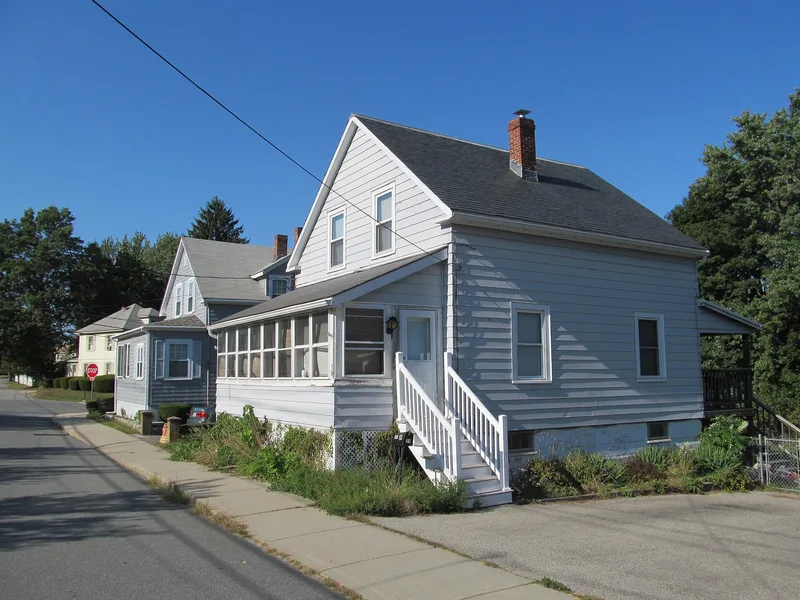
Brown Stocking Mill Historic District in Ipswich, Massachusetts, is a compact industrial village west of the town center. Harry B. Brown, an experienced Ipswich Mills supervisor and agent, bought undeveloped land around the turn of the century, laid out new streets, and by the end of 1907 had built a mill on a hill along with several tenements. A second group of houses followed between 1907 and 1910. In all, 42 tenements were built for mill workers, mostly gable-front dwellings of 1 1/2 to 2 1/2 stories set close to the street, with a few larger boarding houses. The mill kept its original form apart from some mid-20th-century additions and a removed shipping room. Many houses have gained synthetic siding, new sashes and enclosed porches, though some keep original slate roofs, clapboards and details. The district was listed because it preserves a clear picture of an early 20th-century stocking-making community and the immigrant workers who lived beside their jobs.
Machine-generated summary. This summary was generated by a language model from the official nomination document and has not been reviewed line by line by an editor. It may contain errors. Check the source document before relying on any detail. Source: nomination document (PDF) · catalog entry. Generated October 2026 (model claude-sonnet-5-5, prompt v1.0-2026-10-29).
| Period of significance | 1907-1914 |
|---|---|
| Styles | Late Victorian/Queen Anne; Other/no style, early 20th-century Industrial |
| Areas of significance | Architecture, Industry, European |
| Acreage | 10 |
| Boundary source | NPS cultural-resource GIS polygon |
| Full listing page | Brown Stocking Mill Historic District (property record) |
What listing means for this property
This is a historic district. Buildings within its boundary are either contributing (they add to the district's significance) or non-contributing. Owners of contributing income-producing buildings can claim the 20% federal rehabilitation tax credit; homeowners should look at state credits. National Register districts impose no design review by themselves; a local historic district ordinance, if one exists, does (the difference explained).
General information, not legal or tax advice. Rules change; confirm with your State Historic Preservation Office or a qualified adviser.