Becket Center Historic District

Why it's listed
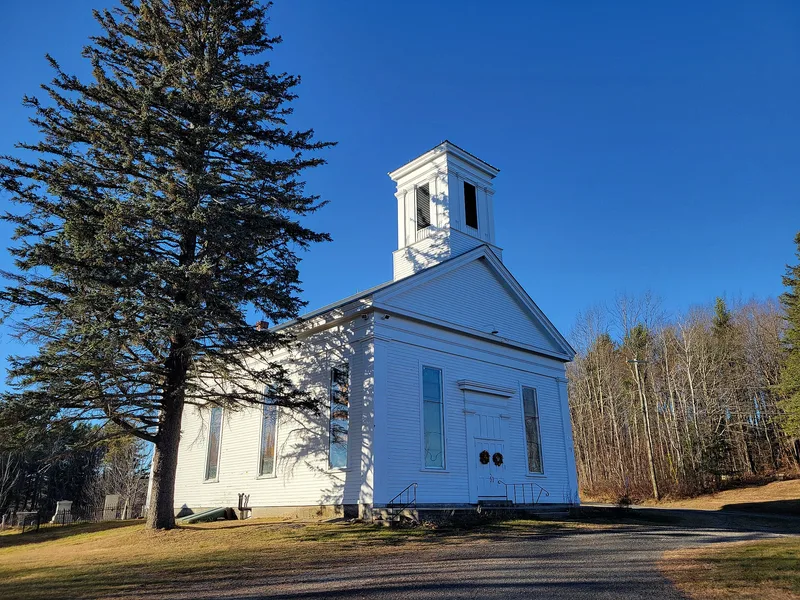
Becket Center is a small rural district of about 40 acres in Berkshire County, Massachusetts, laid out along Route 8, Y.M.C.A. Road and Hamilton Road. It contains Georgian, Federal and Greek Revival farmhouses and civic buildings, an 1768 stone town pound, a 1760 parade ground, a cemetery begun in 1757, church horse sheds from 1802, and archaeological sites such as the first meeting house location. The center served as the political and spiritual heart of the town from the 1760s. When the Western Railway crossed the hills in 1841 and bypassed it, commerce shifted north to Becket Village and growth nearly stopped. No buildings were added after 1900. That sequence left an unusually complete example of an upland frontier settlement, valued more for how the buildings and sites relate than for individual architecture. Surface features also suggest buried foundations, wells and trash deposits that could add to knowledge of the town's past. Two YMCA camps later used the setting.
Machine-generated summary. This summary was generated by a language model from the official nomination document and has not been reviewed line by line by an editor. It may contain errors. Check the source document before relying on any detail. Source: nomination document (PDF) · catalog entry. Generated October 2026 (model claude-sonnet-5-5, prompt v1.0-2026-10-29).
| Period of significance | 1756-1900 |
|---|---|
| Styles | Georgian, Federal and Greek Revival vernacular |
| Areas of significance | Historic - Non-Aboriginal, Military, Exploration/Settlement, Politics/Government, Architecture, Religion, Social History |
| Acreage | 40 |
| Boundary source | NPS cultural-resource GIS polygon |
| Full listing page | Becket Center Historic District (property record) |
What listing means for this property
This is a historic district. Buildings within its boundary are either contributing (they add to the district's significance) or non-contributing. Owners of contributing income-producing buildings can claim the 20% federal rehabilitation tax credit; homeowners should look at state credits. National Register districts impose no design review by themselves; a local historic district ordinance, if one exists, does (the difference explained).
General information, not legal or tax advice. Rules change; confirm with your State Historic Preservation Office or a qualified adviser.