Bacon-Morse Historic District

Why it's listed
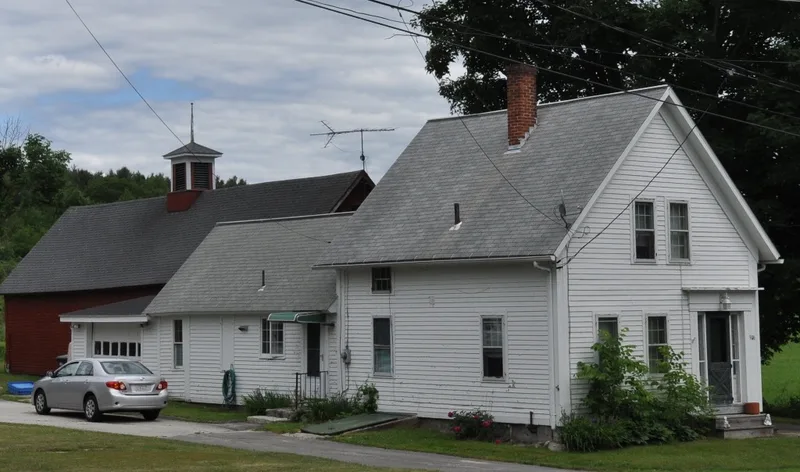
Clustered around the crossing of North Woodstock and Tipton Rock Roads in Southbridge, this rural neighborhood grew from farms settled in the mid-18th century by the Morse, Pratt and Bacon families. Its surviving buildings include the Freeman Pratt Farm, with a ca. 1750 section and a ca. 1845 Federal style addition, a late Greek Revival cottage built for Daniel Morse, the Hiram Morse farmhouse, and two small cottages added around 1900. Morse Cemetery, deeded in 1789, holds about 290 burials and is surrounded by a stone fence. Lumbering joined farming as a livelihood in the late 19th century, and the Morse Lumber Company still operates nearby. Although the tavern and schoolhouse are gone and a few modern houses have appeared, the area keeps a well-preserved core of buildings and a cemetery that represent its agricultural past. Other rural settlements in Southbridge have not survived intact, which adds to its local importance.
Machine-generated summary. This summary was generated by a language model from the official nomination document and has not been reviewed line by line by an editor. It may contain errors. Check the source document before relying on any detail. Source: nomination document (PDF) · catalog entry. Generated October 2026 (model claude-sonnet-5-5, prompt v1.0-2026-10-29).
| Period of significance | ca. 1750 through the early 20th century |
|---|---|
| Styles | Vernacular styles, including Federal, Greek Revival and Victorian vernacular |
| Areas of significance | Agriculture, Architecture |
| Acreage | 100 |
| Boundary source | NPS cultural-resource GIS polygon |
| Full listing page | Bacon-Morse Historic District (property record) |
What listing means for this property
This is a historic district. Buildings within its boundary are either contributing (they add to the district's significance) or non-contributing. Owners of contributing income-producing buildings can claim the 20% federal rehabilitation tax credit; homeowners should look at state credits. National Register districts impose no design review by themselves; a local historic district ordinance, if one exists, does (the difference explained).
General information, not legal or tax advice. Rules change; confirm with your State Historic Preservation Office or a qualified adviser.