Washington Park

Why it's listed
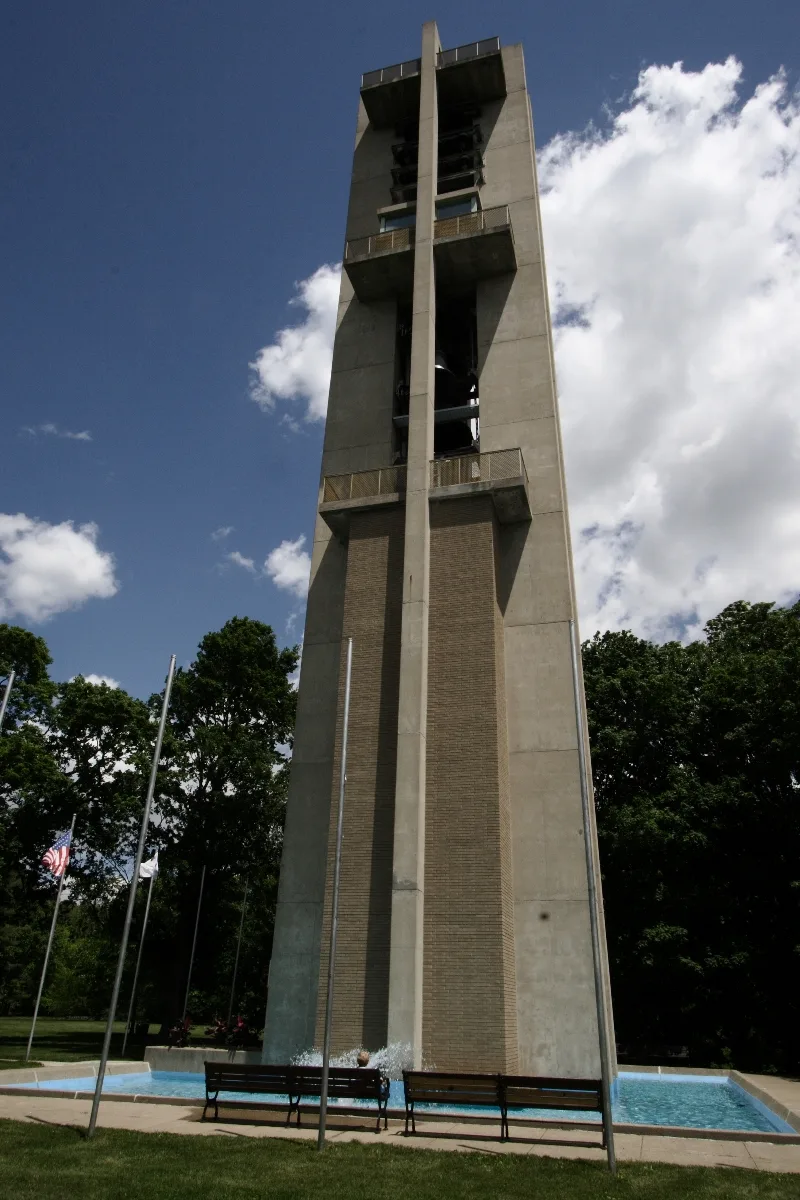
Washington Park is a roughly 150-acre public park in southwest Springfield, Illinois, and the first project of the Springfield Pleasure Driveway and Park District, formed in 1900. The district bought land that included a small private park at the end of a streetcar line and hired landscape architect Ossian Cole Simonds to plan it. Work began in June 1901. Simonds kept the hills, ravines, creeks and mature trees, built two lagoons by damming a creek, and laid out curving drives and a maple-lined entrance boulevard on Williams Boulevard. Trees removed during construction were reused for bridges, fence posts and benches. A 1903 pavilion and a streetcar shelter by architect George Helmle remain among the buildings. The park is listed for its landscape architecture, as an early example of Simonds's Prairie style of design. The period of significance runs from 1901 to 1907, when his plan was fully carried out. Later additions include a carillon, botanical garden and maintenance buildings.
Machine-generated summary. This summary was generated by a language model from the official nomination document and has not been reviewed line by line by an editor. It may contain errors. Check the source document before relying on any detail. Source: nomination document (PDF) · catalog entry. Generated October 2026 (model claude-sonnet-5-5, prompt v1.0-2026-10-29).
| Period of significance | 1901-1907 |
|---|---|
| Styles | Craftsman; Classical Revival (Prairie style of landscape architecture) |
| Areas of significance | Landscape Architecture |
| Acreage | 150.3 |
| Boundary source | NPS cultural-resource GIS polygon |
| Full listing page | Washington Park (property record) |
What listing means for this property
This is a historic district. Buildings within its boundary are either contributing (they add to the district's significance) or non-contributing. Owners of contributing income-producing buildings can claim the 20% federal rehabilitation tax credit; homeowners should look at state credits. National Register districts impose no design review by themselves; a local historic district ordinance, if one exists, does (the difference explained).
General information, not legal or tax advice. Rules change; confirm with your State Historic Preservation Office or a qualified adviser.