Trumbull Park

Why it's listed
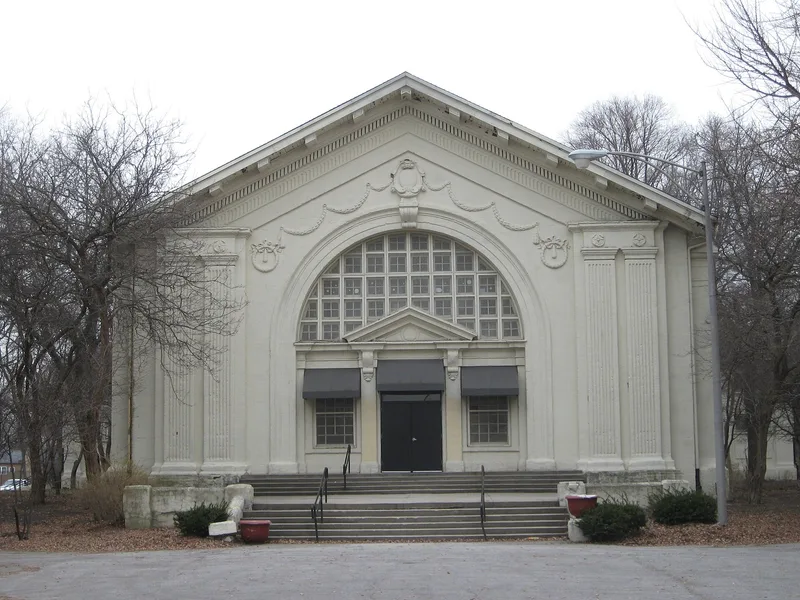
Trumbull Park occupies 18.52 acres on Chicago's south side, in the South Deering neighborhood once called Irondale. The South Park Commission began planning it in 1907 as one of four new neighborhood parks, and permanent improvements followed in 1915. The Olmsted Brothers prepared plans, but in-house staff designed the layout actually built: a depressed ball field on the north half, with a fieldhouse, playground, running track, swimming pool and service yard on the south. A formal promenade and concourse lined with ginkgo trees remain a defining feature. The cruciform Beaux Arts fieldhouse, built in 1915 from the same plans as the Grand Crossing Park fieldhouse, echoes the earlier Burnham-designed park buildings, though it has since been gunited and painted. A 1947 granite fountain memorializes local World War II veterans. The park is recognized as a representative, highly intact example of Chicago's South Park Commission neighborhood parks, which grew from settlement-house reform ideals.
Machine-generated summary. This summary was generated by a language model from the official nomination document and has not been reviewed line by line by an editor. It may contain errors. Check the source document before relying on any detail. Source: nomination document (PDF) · catalog entry. Generated October 2026 (model claude-sonnet-5-5, prompt v1.0-2026-10-29).
| Styles | Late 19th and 20th Century Revivals: Beaux Arts Classicism |
|---|---|
| Areas of significance | Landscape Architecture, Architecture, Entertainment/Recreation |
| Acreage | 18.5 |
| Boundary source | NPS cultural-resource GIS polygon |
| Full listing page | Trumbull Park (property record) |
What listing means for this property
This is a historic district. Buildings within its boundary are either contributing (they add to the district's significance) or non-contributing. Owners of contributing income-producing buildings can claim the 20% federal rehabilitation tax credit; homeowners should look at state credits. National Register districts impose no design review by themselves; a local historic district ordinance, if one exists, does (the difference explained).
General information, not legal or tax advice. Rules change; confirm with your State Historic Preservation Office or a qualified adviser.