Sparta Historic District

Why it's listed
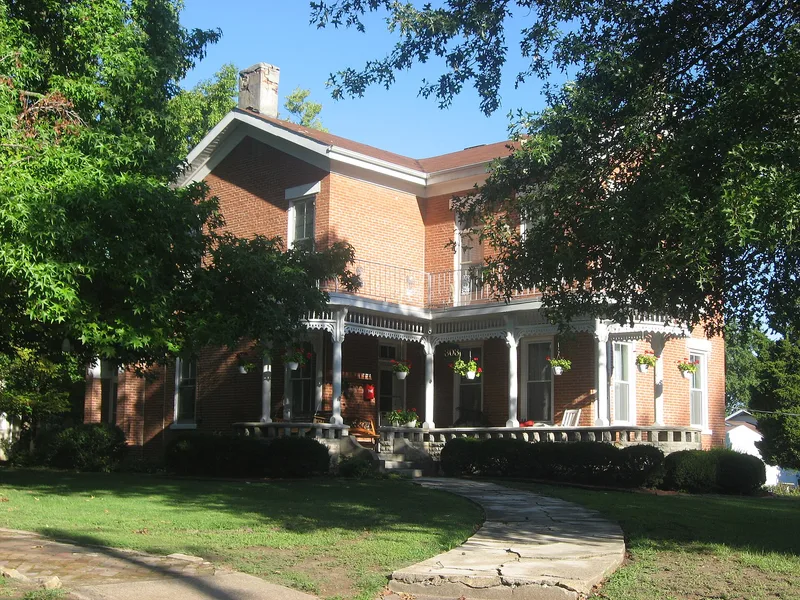
Bricktown is a compact residential neighborhood on the south side of Sparta, Illinois, centered on West Third and South St. Louis Streets. Its fourteen nominated houses, nearly all two-story brick, date from about 1860 to 1879 and show Gothic Revival, Victorian, Greek Revival, Italianate and Federal influences. Many have "Steamboat Gothic" porches, marble fireplaces, parquet floors and thick masonry walls. One exception is a wood-frame Victorian house with a circular porch and turret, which still has a carved brick chimney. The neighborhood grew from the vision of William Rosborough, a merchant and developer who reportedly would sell a lot only to buyers who promised to build a good brick house. Local kilns supplied the brick, and the original owners included physicians, merchants, a mayor and a woolen mill operator. The district was listed because it preserves a cohesive group of large brick homes that has no equal elsewhere in Sparta.
Machine-generated summary. This summary was generated by a language model from the official nomination document and has not been reviewed line by line by an editor. It may contain errors. Check the source document before relying on any detail. Source: nomination document (PDF) · catalog entry. Generated October 2026 (model claude-sonnet-5-5, prompt v1.0-2026-10-29).
| Period of significance | 1860-1879 |
|---|---|
| Styles | Mixed styles including Gothic Revival, Victorian, Greek Revival, Italianate and Federal, with "Steamboat Gothic" porches |
| Areas of significance | Architecture |
| Acreage | 15 |
| Boundary source | NPS cultural-resource GIS polygon |
| Full listing page | Sparta Historic District (property record) |
What listing means for this property
This is a historic district. Buildings within its boundary are either contributing (they add to the district's significance) or non-contributing. Owners of contributing income-producing buildings can claim the 20% federal rehabilitation tax credit; homeowners should look at state credits. National Register districts impose no design review by themselves; a local historic district ordinance, if one exists, does (the difference explained).
General information, not legal or tax advice. Rules change; confirm with your State Historic Preservation Office or a qualified adviser.