South Shore Bungalow Historic District

Why it's listed
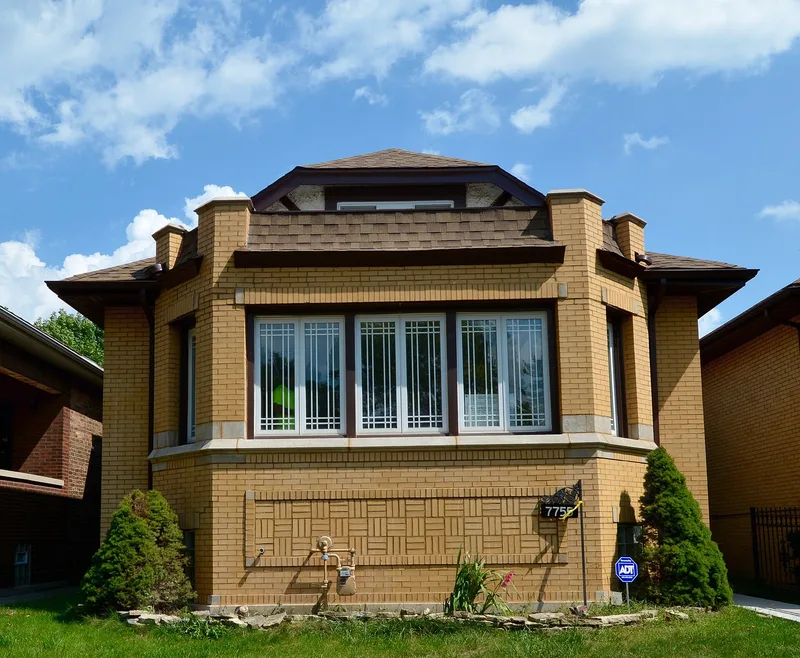
Chicago's South Shore Bungalow Historic District covers twenty block faces between East 75th and 78th Streets, about nine miles from the city center. Built between 1911 and 1930, it holds 229 Chicago bungalows, forty-one frame and stucco antecedent forms, and a few two-flats and larger houses. More than eighty architects and builders worked here, yet uniform setbacks, regular spacing and shared features such as low-pitched roofs, overhanging eaves, banded windows and limestone trim give the streets a cohesive look. Early stucco and frame bungalows gave way after about 1916 to brick, and later examples became more elaborate, especially on corner lots. Developers such as Charles Miller built dozens of homes on speculation. The district was listed for its role in promoting single-family homeownership and for its well-preserved bungalow architecture. Its residents included many immigrant families, mostly white-collar workers, and in the 1950s and 1960s it became a black middle-class community.
Machine-generated summary. This summary was generated by a language model from the official nomination document and has not been reviewed line by line by an editor. It may contain errors. Check the source document before relying on any detail. Source: nomination document (PDF) · catalog entry. Generated October 2026 (model claude-sonnet-5-5, prompt v1.0-2026-10-29).
| Period of significance | 1911 - 1930 |
|---|---|
| Styles | Other: Chicago Bungalow |
| Areas of significance | Community Planning and Development, Architecture |
| Acreage | 37 |
| Boundary source | NPS cultural-resource GIS polygon |
| Full listing page | South Shore Bungalow Historic District (property record) |
What listing means for this property
This is a historic district. Buildings within its boundary are either contributing (they add to the district's significance) or non-contributing. Owners of contributing income-producing buildings can claim the 20% federal rehabilitation tax credit; homeowners should look at state credits. National Register districts impose no design review by themselves; a local historic district ordinance, if one exists, does (the difference explained).
General information, not legal or tax advice. Rules change; confirm with your State Historic Preservation Office or a qualified adviser.