Sheffield Historic District (Boundary Increase III)

Why it's listed
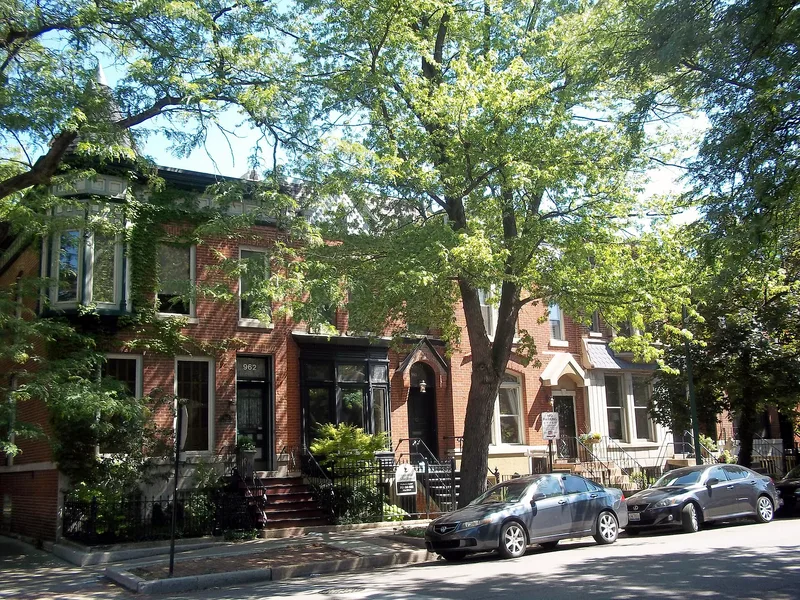
Three additions to a North Side Chicago neighborhood district bring in roughly 490 more buildings, mostly built between the late 1860s and about 1920. One area runs along N. Lakewood Avenue on the west. A second lies to the southwest and south around N. Maud and W. Willow. A third extends east and south along N. Halsted, Burling, Orchard and Howe streets. The buildings are narrow-lot frame and brick Chicago cottages, flats, developer-built apartments, small storefronts and the 1898 James A. Mulligan School by Flanders and Zimmermann. Many went up quickly after the 1871 fire, before frame construction was restricted in 1875. Few are architecturally important individually, but together they show how the neighborhood grew and how ordinary middle and working class housing looked. Many cottages have been re-sided with synthetic material, though original window frames, cornices and massing remain. Boundaries were drawn to follow surviving historic building stock and to exclude industrial and modern redevelopment.
Machine-generated summary. This summary was generated by a language model from the official nomination document and has not been reviewed line by line by an editor. It may contain errors. Check the source document before relying on any detail. Source: nomination document (PDF) · catalog entry. Generated October 2026 (model claude-sonnet-5-5, prompt v1.0-2026-10-29).
| Period of significance | late 1860s to about 1920 |
|---|---|
| Styles | Chicago cottages with Italianate, Second Empire, Queen Anne and Romanesque Revival details |
| Areas of significance | Community Planning and Development, Architecture |
| Acreage | 53 |
| Boundary source | NPS cultural-resource GIS polygon |
| Full listing page | Sheffield Historic District (Boundary Increase III) (property record) |
What listing means for this property
This is a historic district. Buildings within its boundary are either contributing (they add to the district's significance) or non-contributing. Owners of contributing income-producing buildings can claim the 20% federal rehabilitation tax credit; homeowners should look at state credits. National Register districts impose no design review by themselves; a local historic district ordinance, if one exists, does (the difference explained).
General information, not legal or tax advice. Rules change; confirm with your State Historic Preservation Office or a qualified adviser.