Quincy East End Historic District

Why it's listed
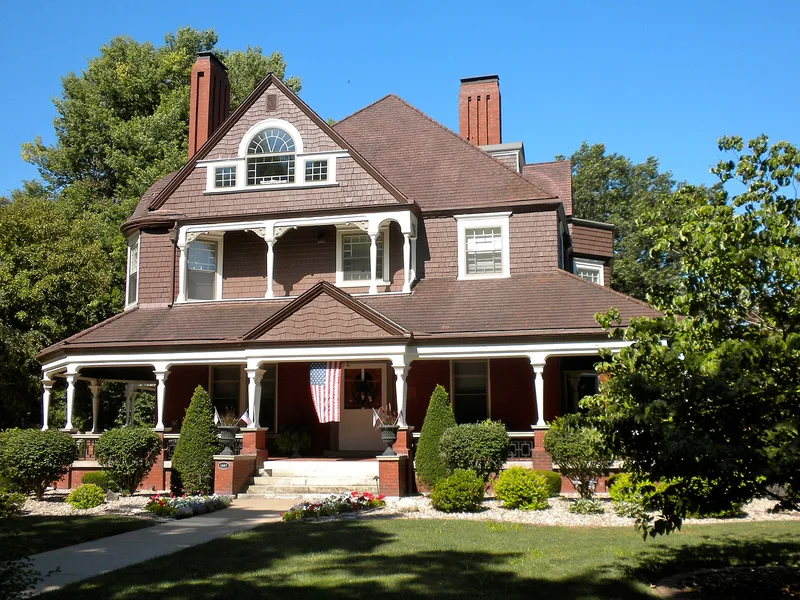
Quincy's East End is a 250-acre residential district on the eastern side of the Mississippi River city in western Illinois. It holds 556 structures, of which 493 contribute to its character and 65 do not. Much of it lies on land deeded to Quincy founder John Wood in 1825, and his Greek Revival mansion of 1835 is among its oldest houses. As affluent families moved eastward from the river, they built large houses with generous lawns, carriage houses and ballrooms. The district shows nearly every formal style used in the Mid-West from the 1830s to the 1930s, including Italianate, Second Empire, Richardsonian Romanesque, Queen Anne, Prairie and International. Local architects such as Ernest Wood, Harvey Chatten, John Batchy and George Behrensmeyer designed many buildings, alongside Joseph Lyman Silsbee, and German masons and carpenters added fine craftsmanship. Residents included Lorenzo Bull, Jonathan Parkhurst and the Gardner family. The district was listed for its architectural integrity and its record of Quincy's growth.
Machine-generated summary. This summary was generated by a language model from the official nomination document and has not been reviewed line by line by an editor. It may contain errors. Check the source document before relying on any detail. Source: nomination document (PDF) · catalog entry. Generated October 2026 (model claude-sonnet-5-5, prompt v1.0-2026-10-29).
| Period of significance | 1835-1935 |
|---|---|
| Styles | Multiple styles, from Federal and Greek Revival through Italianate, Second Empire, Romanesque, Queen Anne, Prairie, Colonial Revival, Bungalow and International |
| Areas of significance | Architecture |
| Acreage | 250 |
| Boundary source | NPS cultural-resource GIS polygon |
| Full listing page | Quincy East End Historic District (property record) |
What listing means for this property
This is a historic district. Buildings within its boundary are either contributing (they add to the district's significance) or non-contributing. Owners of contributing income-producing buildings can claim the 20% federal rehabilitation tax credit; homeowners should look at state credits. National Register districts impose no design review by themselves; a local historic district ordinance, if one exists, does (the difference explained).
General information, not legal or tax advice. Rules change; confirm with your State Historic Preservation Office or a qualified adviser.