Prairie Avenue District

Why it's listed
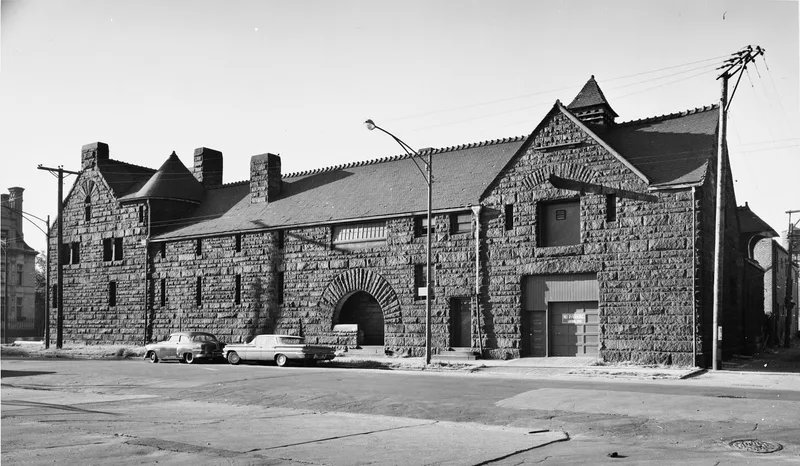
Prairie Avenue District covers about 3.5 acres near 18th Street in Chicago. By 1900 the area was lined with the mansions of the city's elite, but demolition began in the 1920s and 1930s as families moved away, and buildings were subdivided and neglected. Today four component buildings remain amid largely vacant land. Among them are Glessner House, built from 1886 and designed by H. H. Richardson in a modified Romanesque style with rugged masonry and an interior courtyard, and Kimball House, designed by Solon S. Beman in the Chateauesque style and clad in Bedford limestone. The district also takes in the traditional site of the Fort Dearborn Massacre of August 1812, when evacuating residents of the fort were attacked. A monument placed there in 1893 was later moved to the Chicago Historical Society, and a bronze tablet now marks the vicinity. The district is recognized for its architecture and this early Chicago history.
Machine-generated summary. This summary was generated by a language model from the official nomination document and has not been reviewed line by line by an editor. It may contain errors. Check the source document before relying on any detail. Source: nomination document (PDF) · catalog entry. Generated October 2026 (model claude-sonnet-5-5, prompt v1.0-2026-10-29).
| Period of significance | 19th Century |
|---|---|
| Styles | Modified Romanesque (Glessner House); Chateauesque (Kimball House) |
| Areas of significance | Architecture, Social History |
| Acreage | 3.5 |
| Boundary source | NPS cultural-resource GIS polygon |
| Full listing page | Prairie Avenue District (property record) |
What listing means for this property
This is a historic district. Buildings within its boundary are either contributing (they add to the district's significance) or non-contributing. Owners of contributing income-producing buildings can claim the 20% federal rehabilitation tax credit; homeowners should look at state credits. National Register districts impose no design review by themselves; a local historic district ordinance, if one exists, does (the difference explained).
General information, not legal or tax advice. Rules change; confirm with your State Historic Preservation Office or a qualified adviser.