New Piasa Chautauqua Historic District

Why it's listed
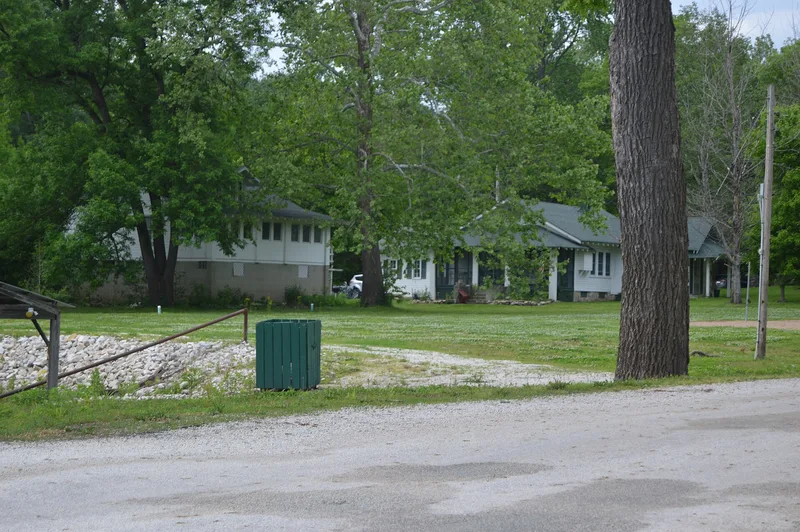
New Piasa Chautauqua is a summer community of 135 structures tucked into a narrow, wooded valley between limestone bluffs on the Illinois bank of the Mississippi, north of Alton. Founded in 1885 by Methodist-affiliated committees from southern Illinois and St. Louis as a western counterpart to the original Chautauqua in New York, it combined religious, educational and scientific programs with a summer resort. Most buildings are one- and two-story frame cottages, many dating from before about 1912, alongside community buildings such as an auditorium, chapel, swimming pool and the Piasa (Sherer's) Spring. Fires in 1919 and 1957 caused the main losses, yet early photographs show the grounds largely unchanged. The district was recognized because it survives as a working example of a once-widespread institution, continuing its annual program of events while most similar assemblies faded after the First World War. Its natural setting gave it a balance of access and isolation.
Machine-generated summary. This summary was generated by a language model from the official nomination document and has not been reviewed line by line by an editor. It may contain errors. Check the source document before relying on any detail. Source: nomination document (PDF) · catalog entry. Generated October 2026 (model claude-sonnet-5-5, prompt v1.0-2026-10-29).
| Period of significance | 1800-1899, 1900- |
|---|---|
| Styles | No formal style stated; the form says the architecture is largely unremarkable and describes simple, rectangular, two-story frame cottages with large screened porches as a possible "Chautauqua" style. |
| Areas of significance | Religion, Social History |
| Acreage | 257 |
| Boundary source | NPS cultural-resource GIS polygon |
| Full listing page | New Piasa Chautauqua Historic District (property record) |
What listing means for this property
This is a historic district. Buildings within its boundary are either contributing (they add to the district's significance) or non-contributing. Owners of contributing income-producing buildings can claim the 20% federal rehabilitation tax credit; homeowners should look at state credits. National Register districts impose no design review by themselves; a local historic district ordinance, if one exists, does (the difference explained).
General information, not legal or tax advice. Rules change; confirm with your State Historic Preservation Office or a qualified adviser.