Lincoln Park Lily Pool

The National Park Service has not published a boundary polygon for this district; the map shows the listed properties inside it and the district's reference point.
Why it's listed
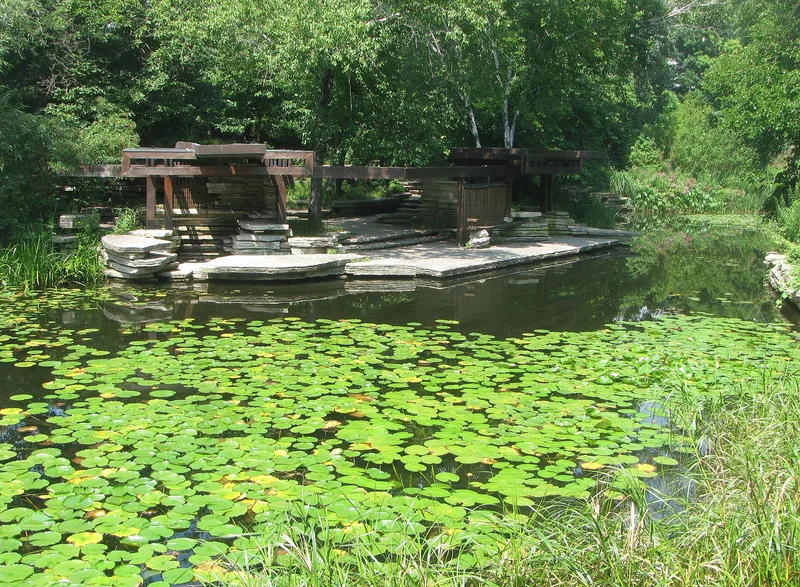
Lincoln Park Lily Pool is a historic district located in Chicago, Cook County, Illinois. It was listed on the National Register of Historic Places on February 17, 2006, under reference number 06000235. The document available for this entry is an administrative locator card rather than a full nomination. It records that the entire folder for the property is missing, and the card was completed in March 2015. Because the description and significance sections are not included, the text does not say when the pool was built, who designed it, what it looks like, or what arguments supported its listing. It also gives no information on the property's present condition or use. Details about the district's history and importance would need to come from the original nomination file, which this record indicates could not be located at the time the card was completed.
Machine-generated summary. This summary was generated by a language model from the official nomination document and has not been reviewed line by line by an editor. It may contain errors. Check the source document before relying on any detail. Source: nomination document (PDF) · catalog entry. Generated October 2026 (model claude-sonnet-5-5, prompt v1.0-2026-10-29).
| Areas of significance | Landscape Architecture, Social History, Entertainment/Recreation |
|---|---|
| Acreage | 3 |
| Boundary source | not published |
| Full listing page | Lincoln Park Lily Pool (property record) |
What listing means for this property
This is a historic district. Buildings within its boundary are either contributing (they add to the district's significance) or non-contributing. Owners of contributing income-producing buildings can claim the 20% federal rehabilitation tax credit; homeowners should look at state credits. National Register districts impose no design review by themselves; a local historic district ordinance, if one exists, does (the difference explained).
General information, not legal or tax advice. Rules change; confirm with your State Historic Preservation Office or a qualified adviser.