Grafton Historic District

Why it's listed
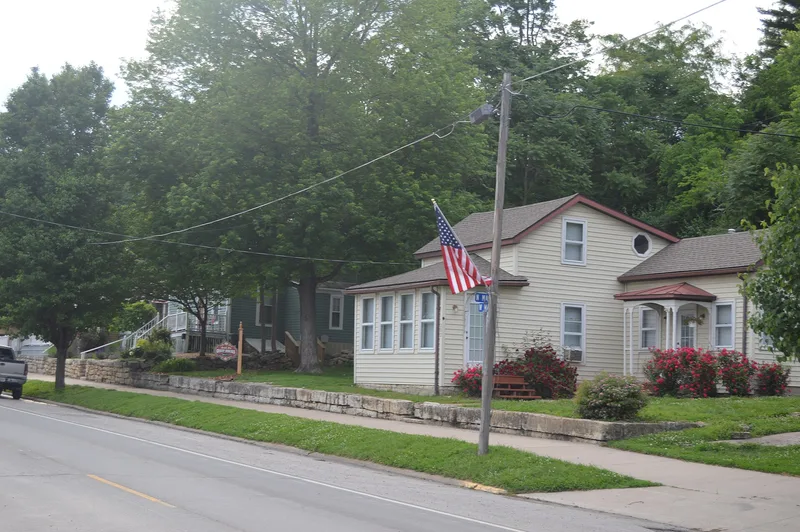
Grafton's West Main Street historic district covers two blocks of mostly residential buildings between steep limestone bluffs and the Illinois River. Its 22 contributing resources date from about 1836 to 1925 and include Hall and Parlor, Gabled Ell, Side Hall Plan and Bungalow houses, many with Queen Anne, Italianate or Greek Revival details. Lots are small, setbacks shallow, and limestone retaining walls line many property edges, giving the area a dense, cohesive feel. A c. 1840 limestone house and a fully expressed Queen Anne house are among the notable buildings. The district also contains the 1846 limestone New Wharf at the foot of Maple Street, a link to the river transportation that shaped the town, and the c. 1840 Grafton Ice House, tied to its ice industry. Together these resources illustrate roughly ninety years of development, and some former houses now hold a restaurant, an antique shop and a bed and breakfast.
Machine-generated summary. This summary was generated by a language model from the official nomination document and has not been reviewed line by line by an editor. It may contain errors. Check the source document before relying on any detail. Source: nomination document (PDF) · catalog entry. Generated October 2026 (model claude-sonnet-5-5, prompt v1.0-2026-10-29).
| Styles | Queen Anne, Late Victorian, Italianate, Bungalow, and vernacular types (Hall and Parlor, Side Hall Plan) |
|---|---|
| Areas of significance | Architecture, Transportation, Commerce |
| Acreage | 6 |
| Boundary source | NPS cultural-resource GIS polygon |
| Full listing page | Grafton Historic District (property record) |
What listing means for this property
This is a historic district. Buildings within its boundary are either contributing (they add to the district's significance) or non-contributing. Owners of contributing income-producing buildings can claim the 20% federal rehabilitation tax credit; homeowners should look at state credits. National Register districts impose no design review by themselves; a local historic district ordinance, if one exists, does (the difference explained).
General information, not legal or tax advice. Rules change; confirm with your State Historic Preservation Office or a qualified adviser.