Dundee Township Historic District

Why it's listed
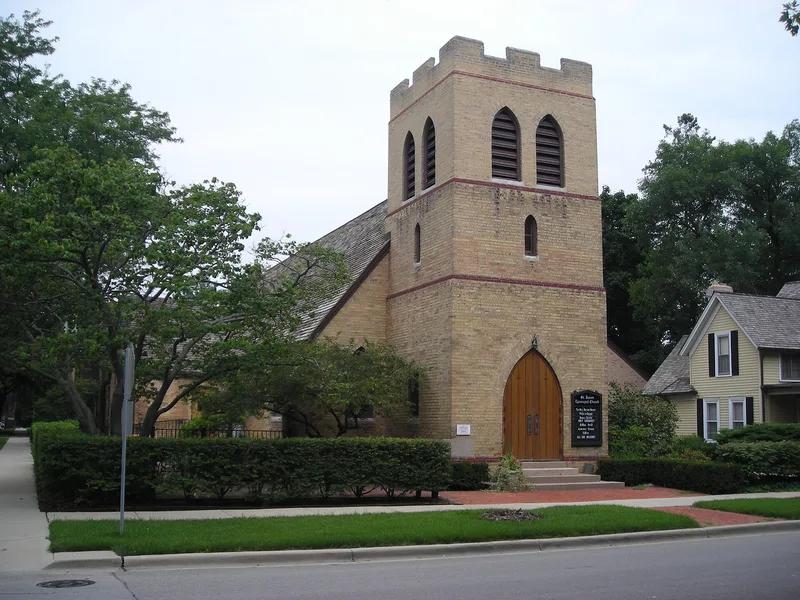
Along the Fox River, about forty-five miles northwest of Chicago, this district joins parts of West Dundee, East Dundee and Carpentersville. The river powered early mills and factories, and the Fox Valley Railroad, which reached East Dundee in 1854, shaped growth. Dundee Brick Company, the Haeger Potteries and the Carpenter family's industries in Carpentersville, including the Illinois Iron and Bolt Company, anchored the economy. West Dundee became the commercial center, with larger homes on the bluffs, while modest worker housing grew in East Dundee and Carpentersville. About two-thirds of the buildings predate 1900. Styles include Greek Revival, Italianate, Queen Anne, Gothic churches and Renaissance Revival factories, many built of local cream-colored Dundee brick. The nomination says no single building is more than locally notable, but the towns together keep a distinct character. It also cites pressure from proposed redevelopment and road widening.
Machine-generated summary. This summary was generated by a language model from the official nomination document and has not been reviewed line by line by an editor. It may contain errors. Check the source document before relying on any detail. Source: nomination document (PDF) · catalog entry. Generated October 2026 (model claude-sonnet-5-5, prompt v1.0-2026-10-29).
| Styles | Mixed nineteenth and early twentieth century styles typical of Illinois towns: Greek Revival, Italianate, Queen Anne, Gothic churches, Georgian Revival, Renaissance Revival factories |
|---|---|
| Areas of significance | Industry, Community Planning and Development, Architecture |
| Acreage | 428 |
| Boundary source | NPS cultural-resource GIS polygon |
| Full listing page | Dundee Township Historic District (property record) |
What listing means for this property
This is a historic district. Buildings within its boundary are either contributing (they add to the district's significance) or non-contributing. Owners of contributing income-producing buildings can claim the 20% federal rehabilitation tax credit; homeowners should look at state credits. National Register districts impose no design review by themselves; a local historic district ordinance, if one exists, does (the difference explained).
General information, not legal or tax advice. Rules change; confirm with your State Historic Preservation Office or a qualified adviser.