Downtown Peotone Historic District

Why it's listed
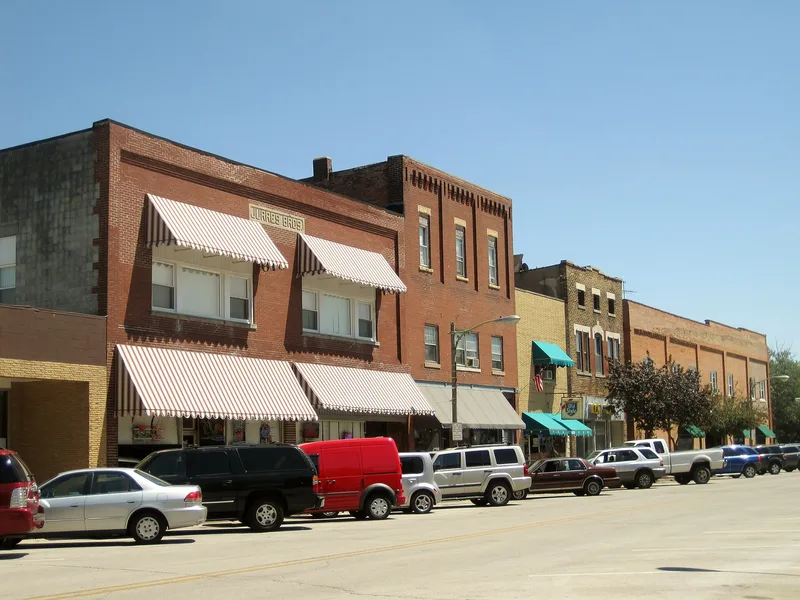
Downtown Peotone is a small commercial district in southern Will County, Illinois, centered on North Second Street. It grew after the railroad crossed the prairie in 1855; the town was surveyed in 1857 and incorporated in 1869. Early wood frame buildings were replaced after demolition or fire by masonry structures, and only two nineteenth century wood frame buildings remain. Most of the 42 resources are one- and two-story buildings from 1886 to 1914, many of them Two-Part Commercial Blocks with cast iron storefronts, recessed entries and pressed metal cornices. A fire in 1913 prompted new construction that added plumbing, electricity and central heating and used poured concrete foundations. Queen Anne details appear on several commercial and residential buildings, and mid-century additions include a 1946 bowling center and a 1949 Lustron house. Thirty-seven buildings contribute to the district. Despite alterations, the group conveys the town's architectural change from the late 1800s to the mid-1900s and its commercial growth.
Machine-generated summary. This summary was generated by a language model from the official nomination document and has not been reviewed line by line by an editor. It may contain errors. Check the source document before relying on any detail. Source: nomination document (PDF) · catalog entry. Generated October 2026 (model claude-sonnet-5-5, prompt v1.0-2026-10-29).
| Styles | Late 19th and Early 20th Century American Movements; Queen Anne |
|---|---|
| Areas of significance | Architecture, Commerce, Entertainment/Recreation |
| Acreage | 7.5 |
| Boundary source | NPS cultural-resource GIS polygon |
| Full listing page | Downtown Peotone Historic District (property record) |
What listing means for this property
This is a historic district. Buildings within its boundary are either contributing (they add to the district's significance) or non-contributing. Owners of contributing income-producing buildings can claim the 20% federal rehabilitation tax credit; homeowners should look at state credits. National Register districts impose no design review by themselves; a local historic district ordinance, if one exists, does (the difference explained).
General information, not legal or tax advice. Rules change; confirm with your State Historic Preservation Office or a qualified adviser.