West Cloverhurst Avenue Historic District

Why it's listed
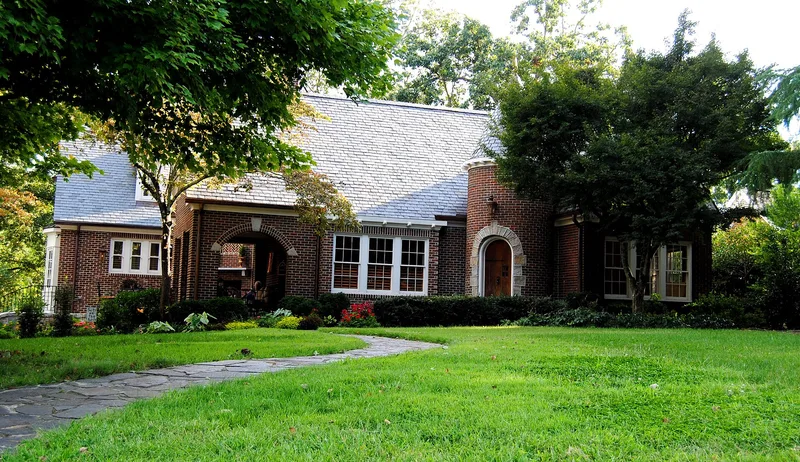
West Cloverhurst Avenue Historic District is a neighborhood of about 80 acres in Athens, Georgia, one mile southwest of downtown. It grew from a large farm estate. Henry Hull Carlton bought the land in 1885, built a Second Empire mansion and laid out a wide drive that became West Cloverhurst Avenue. Judge Hamilton McWhorter later platted the estate into small lots, and the mansion was demolished in 1934. Most of the district's houses date from 1935 to 1957. They include Craftsman bungalows, English Vernacular Revival and Colonial Revival houses, American Small Houses and ranch houses. The district was listed for its architecture and for what it shows about suburban growth south of downtown as the University of Georgia expanded. Residents included professors, administrators, physicians, bankers and newspaper editors. The neighborhood remains in residential use, with 101 contributing resources, nearly all of them houses.
Machine-generated summary. This summary was generated by a language model from the official nomination document and has not been reviewed line by line by an editor. It may contain errors. Check the source document before relying on any detail. Source: nomination document (PDF) · catalog entry. Generated October 2026 (model claude-sonnet-5-5, prompt v1.0-2026-10-29).
| Period of significance | 1885-1957 |
|---|---|
| Styles | Colonial Revival, Tudor Revival, Bungalow/Craftsman, Georgian-plan house, gabled-wing cottage, American Small House, ranch house |
| Areas of significance | Architecture, Community Planning and Development |
| Acreage | 80 |
| Boundary source | NPS cultural-resource GIS polygon |
| Full listing page | West Cloverhurst Avenue Historic District (property record) |
What listing means for this property
This is a historic district. Buildings within its boundary are either contributing (they add to the district's significance) or non-contributing. Owners of contributing income-producing buildings can claim the 20% federal rehabilitation tax credit; homeowners should look at state credits. National Register districts impose no design review by themselves; a local historic district ordinance, if one exists, does (the difference explained).
General information, not legal or tax advice. Rules change; confirm with your State Historic Preservation Office or a qualified adviser.