Summerville Commercial Historic District

Why it's listed
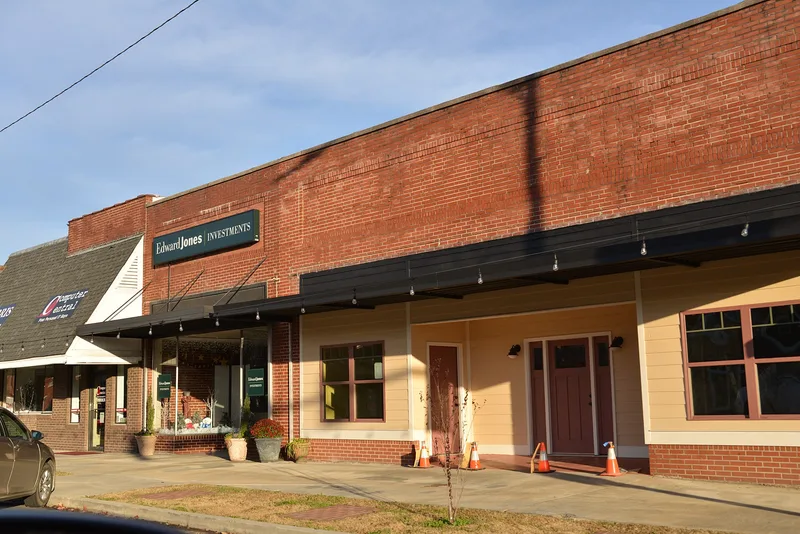
Downtown Summerville, the seat of Chattooga County in northwest Georgia, is preserved as an eight-block commercial district of mostly one- and two-story brick stores, many attached and set directly along the sidewalk. Buildings date from about 1880 to 1963, with most built in the first half of the 20th century. Three anchors define the area: the 1909 Neoclassical Revival courthouse designed by a St. Louis firm, the 1918 Central of Georgia Railroad depot, and the 1937 Colonial Revival post office, which holds a 1939 New Deal mural. Other features include the 1894 Arrington Drug Company building, two former theaters, a 1953 bank with Moderne elements, a knitting mill with its water tower, warehouses near the tracks, and Willow Spring, the water source that helped determine the town's location. The district is significant for transportation. The railroad, which arrived in 1888, and the Dixie Highway, which came through in the late 1920s, helped Summerville grow as a commercial and rail-related center for the surrounding area.
Machine-generated summary. This summary was generated by a language model from the official nomination document and has not been reviewed line by line by an editor. It may contain errors. Check the source document before relying on any detail. Source: nomination document (PDF) · catalog entry. Generated October 2026 (model claude-sonnet-5-5, prompt v1.0-2026-10-29).
| Styles | Late Victorian (Renaissance); Classical Revival; Italian Renaissance; Colonial Revival; Commercial Style; Moderne |
|---|---|
| Areas of significance | Commerce, Politics/Government, Transportation, Architecture |
| Acreage | 35 |
| Boundary source | NPS cultural-resource GIS polygon |
| Full listing page | Summerville Commercial Historic District (property record) |
What listing means for this property
This is a historic district. Buildings within its boundary are either contributing (they add to the district's significance) or non-contributing. Owners of contributing income-producing buildings can claim the 20% federal rehabilitation tax credit; homeowners should look at state credits. National Register districts impose no design review by themselves; a local historic district ordinance, if one exists, does (the difference explained).
General information, not legal or tax advice. Rules change; confirm with your State Historic Preservation Office or a qualified adviser.