Stevens Street Historic District

Why it's listed
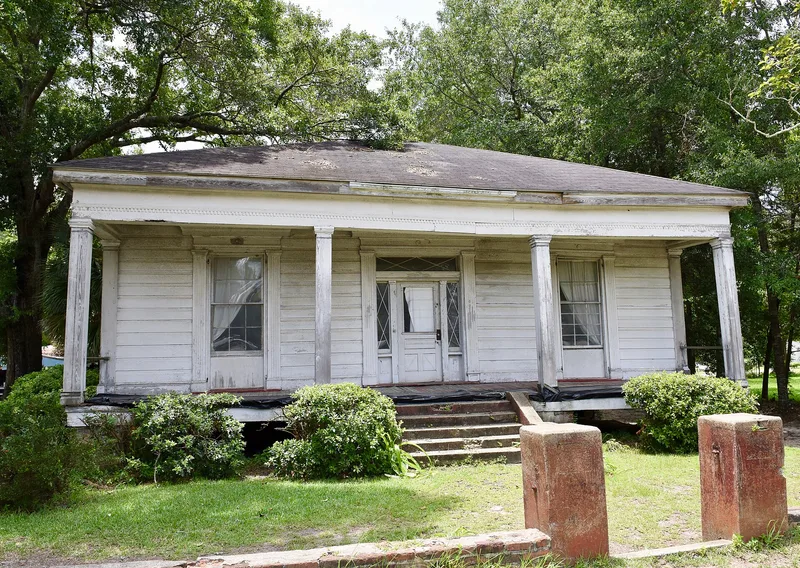
Stevens Street Historic District is a neighborhood of houses, churches, a school and recreation buildings just northwest of downtown Thomasville, Georgia. Its grid of streets was laid out in 1853, and a few white families built homes along the ridge of Stevens Street. After the Civil War, freed people from Thomasville and nearby counties settled the low-lying land, which white residents considered undesirable because of creeks and a railroad completed in 1868. Segregation limited where Black residents could live, so the community built its own institutions, including Good Shepherd Episcopal Church, built in 1894. Shotgun, saddlebag and hall-parlor houses sit alongside Craftsman bungalows, showing laborers and a growing middle class living in the same area. A 1938 concrete bridge, remaining alleys and dirt roads, and the railroad alignment also survive. The district was listed for its ethnic heritage, community development, architecture, education and religion, with significance running from about 1850 to 1951.
Machine-generated summary. This summary was generated by a language model from the official nomination document and has not been reviewed line by line by an editor. It may contain errors. Check the source document before relying on any detail. Source: nomination document (PDF) · catalog entry. Generated October 2026 (model claude-sonnet-5-5, prompt v1.0-2026-10-29).
| Period of significance | c.1850 to 1951 |
|---|---|
| Styles | Greek Revival, Colonial Revival, Craftsman, Folk Victorian |
| Areas of significance | Black, Community Planning and Development, Architecture, Education, Entertainment/Recreation, Religion |
| Acreage | 175 |
| Boundary source | NPS cultural-resource GIS polygon |
| Full listing page | Stevens Street Historic District (property record) |
What listing means for this property
This is a historic district. Buildings within its boundary are either contributing (they add to the district's significance) or non-contributing. Owners of contributing income-producing buildings can claim the 20% federal rehabilitation tax credit; homeowners should look at state credits. National Register districts impose no design review by themselves; a local historic district ordinance, if one exists, does (the difference explained).
General information, not legal or tax advice. Rules change; confirm with your State Historic Preservation Office or a qualified adviser.