South Metter Residential Historic District

Why it's listed
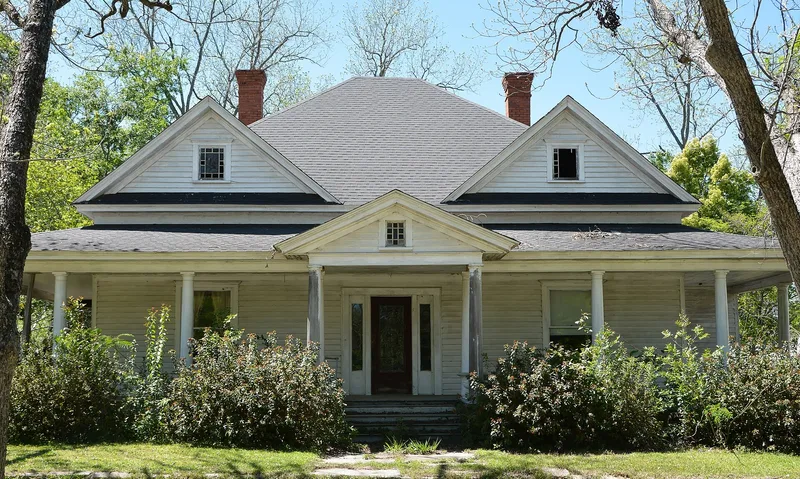
South Metter is a 67-acre neighborhood of single-family houses just south of the commercial center of Metter, Georgia. It was platted in 1899 under James Terrell Trapnell, who founded the town after the railroad crossed his land. Its gridiron streets include divided north-south avenues with landscaped medians, a feature few planned south Georgia towns shared. Houses were built in three waves: Victorian Eclectic dwellings from the 1890s to 1910s, Craftsman and Bungalow homes from the 1910s into the 1930s, and brick English Tudor cottages from the 1920s to 1940. In the 1920s the Metter Women's Club and the city street committee planted trees, grassed the medians and laid curbs and sidewalks following Trapnell's plan. Construction nearly stopped in 1941, and later brick ranch houses are the main noncontributing buildings. The district was recognized for its architecture, community planning and landscape architecture, and as the largest intact part of the original town plan.
Machine-generated summary. This summary was generated by a language model from the official nomination document and has not been reviewed line by line by an editor. It may contain errors. Check the source document before relying on any detail. Source: nomination document (PDF) · catalog entry. Generated October 2026 (model claude-sonnet-5-5, prompt v1.0-2026-10-29).
| Period of significance | 1899-1940 |
|---|---|
| Styles | Late Victorian; Bungalow/Craftsman; Tudor Revival |
| Areas of significance | Community Planning and Development, Landscape Architecture, Architecture |
| Acreage | 67 |
| Boundary source | NPS cultural-resource GIS polygon |
| Full listing page | South Metter Residential Historic District (property record) |
What listing means for this property
This is a historic district. Buildings within its boundary are either contributing (they add to the district's significance) or non-contributing. Owners of contributing income-producing buildings can claim the 20% federal rehabilitation tax credit; homeowners should look at state credits. National Register districts impose no design review by themselves; a local historic district ordinance, if one exists, does (the difference explained).
General information, not legal or tax advice. Rules change; confirm with your State Historic Preservation Office or a qualified adviser.