Siloam Historic District

Why it's listed
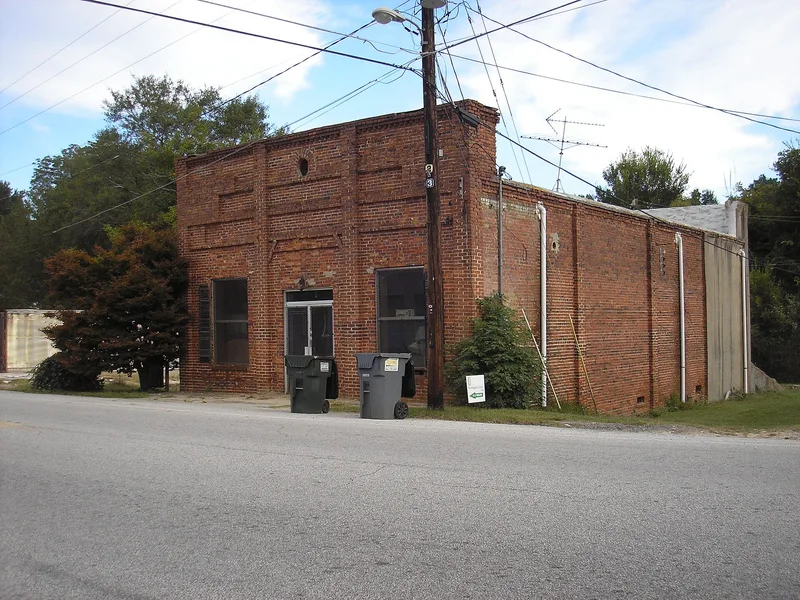
Siloam is a small crossroads community in rural Greene County, Georgia, about halfway between Atlanta and Augusta. Its historic district covers roughly 100 acres of houses, a small brick downtown, two historic churches and a city cemetery established in 1878. Most houses are modest frame dwellings with Folk Victorian ornament, including Georgian-plan, gabled-ell and saddlebag cottages and a few Craftsman bungalows. Downtown buildings along Main Street have corbeled brickwork, cast-iron storefronts and Italianate detailing. The Gothic Revival Baptist church of 1896 and the Colonial Revival Presbyterian church from the early 1900s anchor Church Street. The town grew after a railroad depot opened in 1889 and made Siloam a shipping point for cotton. Its economy declined with the boll weevil, the end of tenant farming, the Great Depression and the end of rail service in 1927. The district was listed for its architecture, commerce and community planning, and because the town's original layout and buildings remain largely intact.
Machine-generated summary. This summary was generated by a language model from the official nomination document and has not been reviewed line by line by an editor. It may contain errors. Check the source document before relying on any detail. Source: nomination document (PDF) · catalog entry. Generated October 2026 (model claude-sonnet-5-5, prompt v1.0-2026-10-29).
| Period of significance | 1878-1940 |
|---|---|
| Styles | Late Victorian (Italianate, Queen Anne), Classical Revival, Bungalow/Craftsman, Folk Victorian, Georgian-plan, center-hall-plan, gabled-ell and saddlebag cottages |
| Areas of significance | Architecture, Commerce, Community Planning and Development |
| Acreage | 100 |
| Boundary source | NPS cultural-resource GIS polygon |
| Full listing page | Siloam Historic District (property record) |
What listing means for this property
This is a historic district. Buildings within its boundary are either contributing (they add to the district's significance) or non-contributing. Owners of contributing income-producing buildings can claim the 20% federal rehabilitation tax credit; homeowners should look at state credits. National Register districts impose no design review by themselves; a local historic district ordinance, if one exists, does (the difference explained).
General information, not legal or tax advice. Rules change; confirm with your State Historic Preservation Office or a qualified adviser.