Rockefeller Cottage

The National Park Service has not published a boundary polygon for this district; the map shows the listed properties inside it and the district's reference point.
Why it's listed
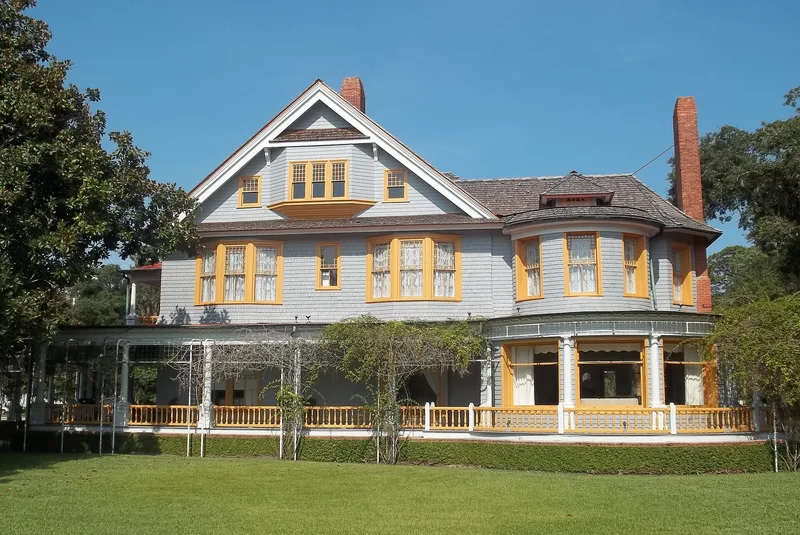
Rockefeller Cottage, sometimes called Indian Mound for an Indian burial mound on the grounds, is a 2.5-story balloon-frame house on Jekyll Island, Georgia. Gordon McKay, an inventor and shoe machinery manufacturer and member of the Jekyll Club, built it in 1892. William Rockefeller, younger brother of John D., acquired it in 1905 and used it as a winter home until 1942. During his ownership, additions included a large living room with a bay window, an elevator, bathrooms, and servants' rooms in the attic. The exterior is covered in cypress shingles over pine sheathing, with a porte-cochere and wide verandah. The state park authority bought the property in 1947 and opened it as a museum from 1950 to 1968. Restoration began in December 1968 under engineer Roger K. Beedle. The cottage is valued as a furnished museum of a prominent resident's retreat and as an example of shingle style resort architecture.
Machine-generated summary. This summary was generated by a language model from the official nomination document and has not been reviewed line by line by an editor. It may contain errors. Check the source document before relying on any detail. Source: nomination document (PDF) · catalog entry. Generated October 2026 (model claude-sonnet-5-5, prompt v1.0-2026-10-29).
| Period of significance | 20th Century (specific dates 1892, additions 1910) |
|---|---|
| Styles | Shingle style cottage (described as rural American, 'gaslight' era) |
| Areas of significance | Architecture, Social History |
| Acreage | 2.7 |
| Boundary source | not published |
| Full listing page | Rockefeller Cottage (property record) |
What listing means for this property
This is a historic district. Buildings within its boundary are either contributing (they add to the district's significance) or non-contributing. Owners of contributing income-producing buildings can claim the 20% federal rehabilitation tax credit; homeowners should look at state credits. National Register districts impose no design review by themselves; a local historic district ordinance, if one exists, does (the difference explained).
General information, not legal or tax advice. Rules change; confirm with your State Historic Preservation Office or a qualified adviser.