Pine Mountain Gold Mine

Why it's listed
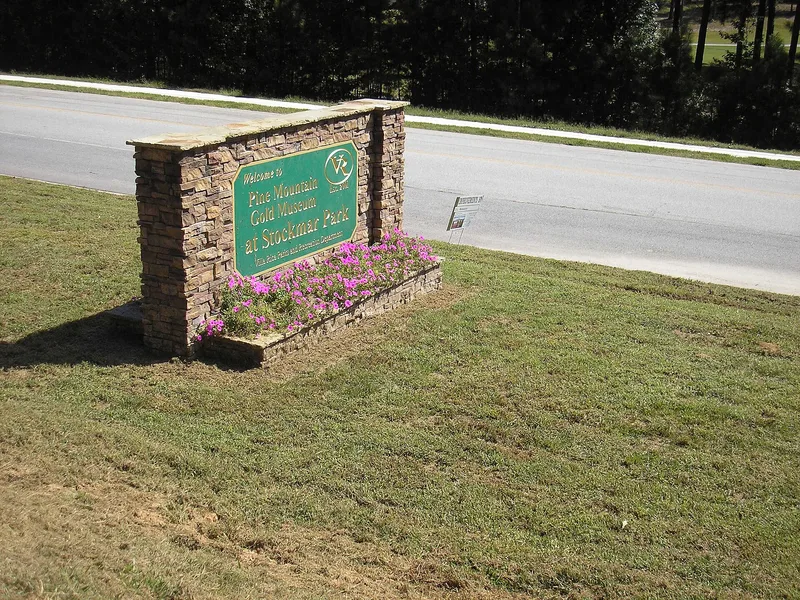
Pine Mountain Gold Mine is a 28.77-acre mining complex on a small wooded mountain northeast of Villa Rica, Georgia. Gold mining here is said to have begun in 1826 and continued until 1936. The earliest remains are hand-dug trenches for panning gold, followed by large pits including the Old Glory Hole and a miner's tunnel through the mountain. In 1915 the operation adopted cyanide leaching, and the site retains reinforced-concrete tanks, a reservoir, a sump tank, and ore stacking bins from that process. The nomination describes it as the only known Georgia gold mine to use cyanide leaching. It also notes a dispute over whether gold was found here in 1826, which would make it the site of an earlier gold rush than the 1829 rush near Dahlonega. The property was donated to the city in 2001 and now operates as a park with a museum. Later ruins from a dude ranch and a block works are not counted as historic features of the mine.
Machine-generated summary. This summary was generated by a language model from the official nomination document and has not been reviewed line by line by an editor. It may contain errors. Check the source document before relying on any detail. Source: nomination document (PDF) · catalog entry. Generated October 2026 (model claude-sonnet-5-5, prompt v1.0-2026-10-29).
| Period of significance | 1826-1936 |
|---|---|
| Styles | OTHER: Gold Mine |
| Areas of significance | Engineering, Industry, Exploration/Settlement |
| Acreage | 28.7 |
| Boundary source | NPS cultural-resource GIS polygon |
| Full listing page | Pine Mountain Gold Mine (property record) |
What listing means for this property
This is a historic district. Buildings within its boundary are either contributing (they add to the district's significance) or non-contributing. Owners of contributing income-producing buildings can claim the 20% federal rehabilitation tax credit; homeowners should look at state credits. National Register districts impose no design review by themselves; a local historic district ordinance, if one exists, does (the difference explained).
General information, not legal or tax advice. Rules change; confirm with your State Historic Preservation Office or a qualified adviser.