Old Clinton Historic District

Why it's listed
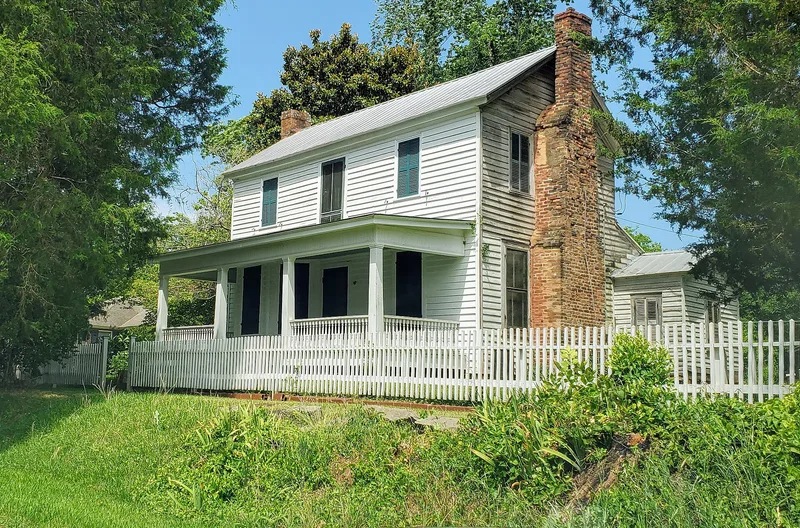
Old Clinton is a historic district of about 290 acres in Jones County, Georgia, centered on a courthouse square laid out when the town became county seat in 1808. Twelve major frame houses survive on a grid of streets, most built between 1809 and the late 1820s in the plain style, often with refined classical details. Several are attributed to Daniel Pratt, a Connecticut craftsman who also managed Samuel Griswold's cotton gin factory. That factory was among the largest of its kind in the country until Sherman's army destroyed it in 1864. Clinton also housed an academy tied to early women's education. A Methodist church and an old town cemetery with graves from the 1790s remain. Because the town declined to support a railroad route, it stagnated, and that lack of growth helped preserve its early character. The district was listed to protect this setting from highway widening and commercial pressure.
Machine-generated summary. This summary was generated by a language model from the official nomination document and has not been reviewed line by line by an editor. It may contain errors. Check the source document before relying on any detail. Source: nomination document (PDF) · catalog entry. Generated October 2026 (model claude-sonnet-5-5, prompt v1.0-2026-10-29).
| Period of significance | Incorporated 1809--mid 19th century |
|---|---|
| Styles | Plain style and Plantation Plain houses with Federal and Greek Revival details |
| Areas of significance | Education, Politics/Government, Architecture, Religion, Social History |
| Acreage | 290 |
| Boundary source | NPS cultural-resource GIS polygon |
| Full listing page | Old Clinton Historic District (property record) |
What listing means for this property
This is a historic district. Buildings within its boundary are either contributing (they add to the district's significance) or non-contributing. Owners of contributing income-producing buildings can claim the 20% federal rehabilitation tax credit; homeowners should look at state credits. National Register districts impose no design review by themselves; a local historic district ordinance, if one exists, does (the difference explained).
General information, not legal or tax advice. Rules change; confirm with your State Historic Preservation Office or a qualified adviser.