Northwest Cedartown Historic District

Why it's listed
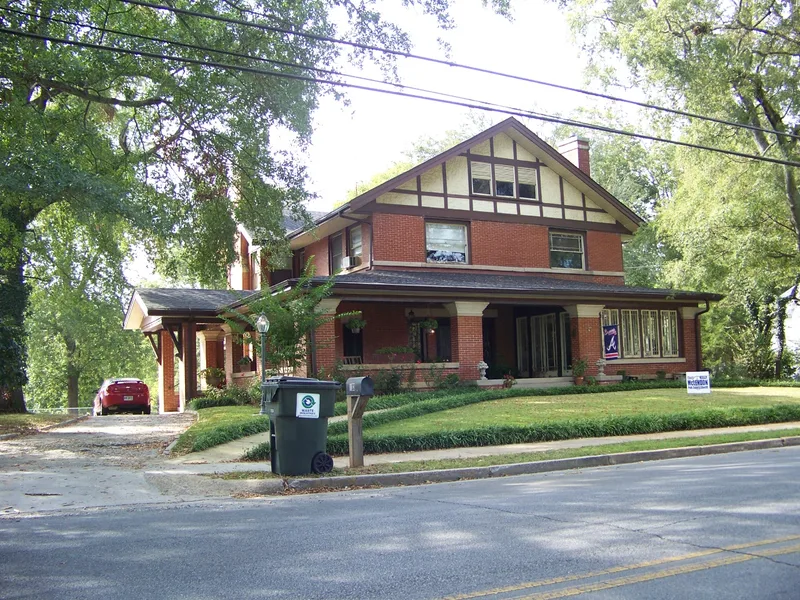
North and west of downtown Cedartown in Polk County, Georgia, this residential neighborhood grew from the 1860s to 1963 on a gridiron street plan. Development began near downtown and moved northward. The oldest house, an 1865 Italianate-style Georgian cottage, stands on Cave Spring Road. Houses include Queen Anne, Folk Victorian, Craftsman bungalow, Colonial Revival and English Vernacular Revival examples, along with American Small Houses and ranch houses. Some late 1940s and 1950s houses were built by Billy Barr's company, Cedartown Builders. The 1955 First Baptist Church is the district's landmark building, and Peek Forest Park, given to the city in 1924, has rock entrances built with Works Progress Administration funding in the 1930s. Mill superintendents and other managers from Cedartown's textile industry lived here, and the area was home to professionals, teachers and business owners in the 1930s. Post-war prosperity led to the subdivision of remaining land. The district contains 375 contributing and 73 noncontributing resources.
Machine-generated summary. This summary was generated by a language model from the official nomination document and has not been reviewed line by line by an editor. It may contain errors. Check the source document before relying on any detail. Source: nomination document (PDF) · catalog entry. Generated October 2026 (model claude-sonnet-5-5, prompt v1.0-2026-10-29).
| Styles | Queen Anne, Colonial Revival, Tudor Revival, Bungalow/Craftsman, Folk Victorian, American Small House, Ranch |
|---|---|
| Areas of significance | Architecture, Community Planning and Development, Landscape Architecture |
| Acreage | 245 |
| Boundary source | NPS cultural-resource GIS polygon |
| Full listing page | Northwest Cedartown Historic District (property record) |
What listing means for this property
This is a historic district. Buildings within its boundary are either contributing (they add to the district's significance) or non-contributing. Owners of contributing income-producing buildings can claim the 20% federal rehabilitation tax credit; homeowners should look at state credits. National Register districts impose no design review by themselves; a local historic district ordinance, if one exists, does (the difference explained).
General information, not legal or tax advice. Rules change; confirm with your State Historic Preservation Office or a qualified adviser.