Newnan Cotton Mill and Mill Village Historic District

Why it's listed
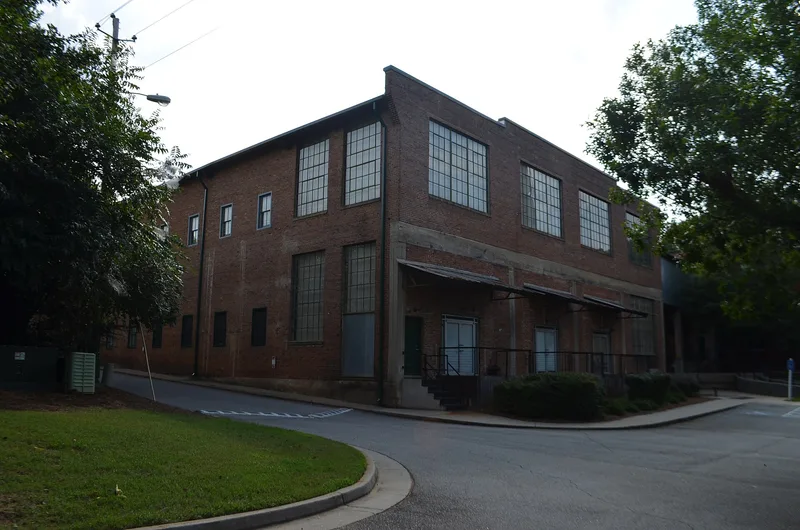
East of downtown Newnan, only two blocks from the courthouse square, a cotton mill and its worker village survive along the rail line. The Newnan Cotton Mills corporation chartered the mill in 1888, and R. D. Cole Manufacturing Company built the two-story stone-and-brick building. It opened in 1889 producing cotton yarn and doubled in size with a 1905 addition. Warehouses, an opening and picker house, water towers, a quarry and a baseball field complete the industrial setting. The village grew from saddlebag duplexes on Field and Murray streets to additional streets of duplexes, saltbox houses and shotgun houses. Community buildings include Mills Chapel, Lovejoy Methodist Church, the Queen Anne mill manager's house and a 1916 mill office. The district is significant for industry, architecture and community planning, showing how a mill, its housing and its company-controlled worker life fit together. The mill now holds loft apartments, and many village houses are single-family homes.
Machine-generated summary. This summary was generated by a language model from the official nomination document and has not been reviewed line by line by an editor. It may contain errors. Check the source document before relying on any detail. Source: nomination document (PDF) · catalog entry. Generated October 2026 (model claude-sonnet-5-5, prompt v1.0-2026-10-29).
| Period of significance | 1888-1951 |
|---|---|
| Styles | Late Victorian: Queen Anne; Late 19th and 20th Century Revivals: Italian Renaissance, Late Gothic Revival; Other: saddlebag house, shotgun house |
| Areas of significance | Industry, Architecture, Agriculture |
| Acreage | 65 |
| Boundary source | NPS cultural-resource GIS polygon |
| Full listing page | Newnan Cotton Mill and Mill Village Historic District (property record) |
What listing means for this property
This is a historic district. Buildings within its boundary are either contributing (they add to the district's significance) or non-contributing. Owners of contributing income-producing buildings can claim the 20% federal rehabilitation tax credit; homeowners should look at state credits. National Register districts impose no design review by themselves; a local historic district ordinance, if one exists, does (the difference explained).
General information, not legal or tax advice. Rules change; confirm with your State Historic Preservation Office or a qualified adviser.