McLemore Cove Historic District

Why it's listed
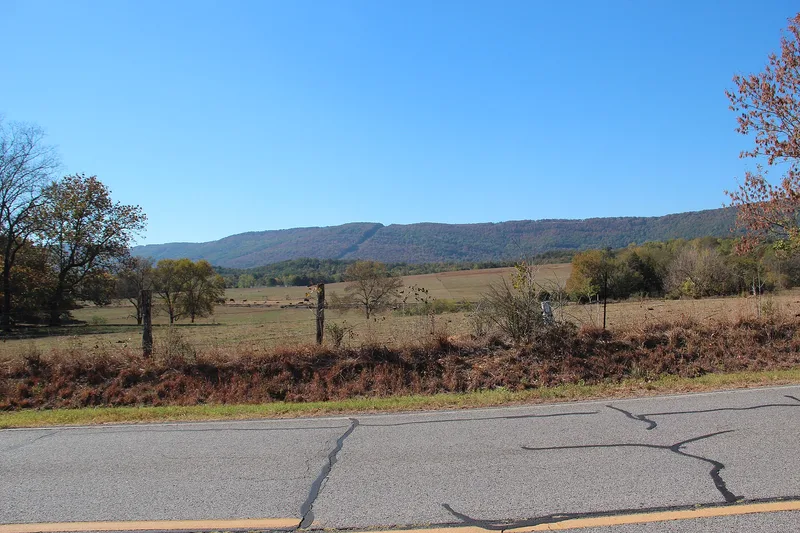
McLemore Cove is a V-shaped valley in Walker County, Georgia, about three miles south of Chickamauga, enclosed by Lookout Mountain on the west and Pigeon Mountain on the east. The historic district covers roughly 50,000 acres of farmland, creeks, hardwood slopes and small communities such as Kensington, Cedar Grove, Pond Spring and Cooper Heights. Most buildings are farm-related: crib barns, smokehouses, corncribs, and wood-framed farmhouses on limestone foundations, ranging from dogtrots and I-houses to Folk Victorian and Queen Anne designs. The valley takes its name from a Cherokee/Scottish family who settled in the 1820s, opened to white settlement by the 1832 land lottery, and it figured in events before the Battle of Chickamauga. The Chattanooga Southern Railroad, completed in 1890, spurred new growth and iron ore mining. The area retains outstanding rural vistas and is described as one of the most intact rural landscapes in Georgia.
Machine-generated summary. This summary was generated by a language model from the official nomination document and has not been reviewed line by line by an editor. It may contain errors. Check the source document before relying on any detail. Source: nomination document (PDF) · catalog entry. Generated October 2026 (model claude-sonnet-5-5, prompt v1.0-2026-10-29).
| Styles | Late Victorian: Gothic, Queen Anne; Other: I-House, Plantation Plain, Central Hallway Cottage, Gabled Ell Cottage, Bungalow, Queen Anne Cottage, Saddlebag, Double-Pen, New South Cottage, Folk Victorian, Hall-Parlor, Temple Front Cottage |
|---|---|
| Areas of significance | Prehistoric, Transportation, Religion, Military, Landscape Architecture, Industry, Education, Commerce, Agriculture, Architecture |
| Acreage | 50141 |
| Boundary source | NPS cultural-resource GIS polygon |
| Full listing page | McLemore Cove Historic District (property record) |
What listing means for this property
This is a historic district. Buildings within its boundary are either contributing (they add to the district's significance) or non-contributing. Owners of contributing income-producing buildings can claim the 20% federal rehabilitation tax credit; homeowners should look at state credits. National Register districts impose no design review by themselves; a local historic district ordinance, if one exists, does (the difference explained).
General information, not legal or tax advice. Rules change; confirm with your State Historic Preservation Office or a qualified adviser.