McArthur, Willie T., Farm

Why it's listed
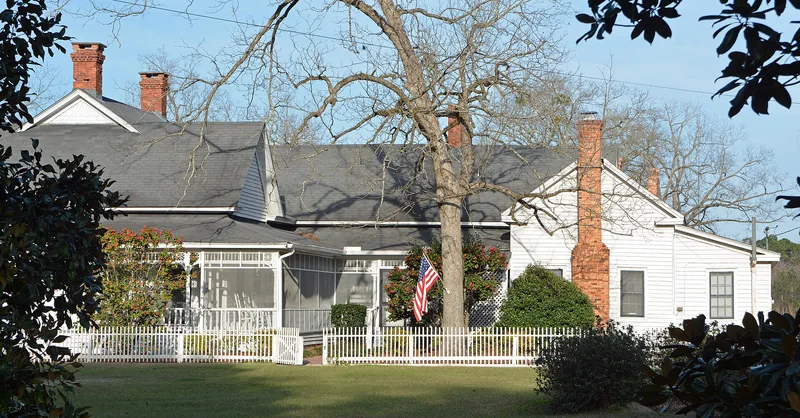
Located in the McGregor community of Montgomery County, Georgia, this 175-acre farm was bought in 1893 by Willie T. McArthur and his uncle, Dr. Thomas Lawrence Calhoun. McArthur built a one-story Queen Anne-style house in 1900, with a wraparound porch, turned posts and spindle work, and a central-hall plan. An earlier double-pen house from 1893 became its kitchen and dining room. Around it are a picket fence and domestic outbuildings including a dairy, smokehouse, playhouse and windmill. Farther south are a barn, corn crib, garage, grain elevator, scales building, corner store and three tenant houses. Cotton, tobacco, naval stores, corn, pecans and livestock were all part of farm life. The property is recognized for showing how Georgia farms operated through tenant labor, including African-American tenants such as Joe Bell, and for its intact buildings and working landscape of fields, orchards and woodlots. The McArthur family still farms the land, and the period of significance runs from 1893 to 1962.
Machine-generated summary. This summary was generated by a language model from the official nomination document and has not been reviewed line by line by an editor. It may contain errors. Check the source document before relying on any detail. Source: nomination document (PDF) · catalog entry. Generated October 2026 (model claude-sonnet-5-5, prompt v1.0-2026-10-29).
| Period of significance | 1893-1962 |
|---|---|
| Styles | Late Victorian: Queen Anne; Other: double-pen house |
| Areas of significance | Architecture, Agriculture, Landscape Architecture, Black |
| Acreage | 175.3 |
| Boundary source | NPS cultural-resource GIS polygon |
| Full listing page | McArthur, Willie T., Farm (property record) |
What listing means for this property
This is a historic district. Buildings within its boundary are either contributing (they add to the district's significance) or non-contributing. Owners of contributing income-producing buildings can claim the 20% federal rehabilitation tax credit; homeowners should look at state credits. National Register districts impose no design review by themselves; a local historic district ordinance, if one exists, does (the difference explained).
General information, not legal or tax advice. Rules change; confirm with your State Historic Preservation Office or a qualified adviser.