Hog Hammock Historic District

Why it's listed
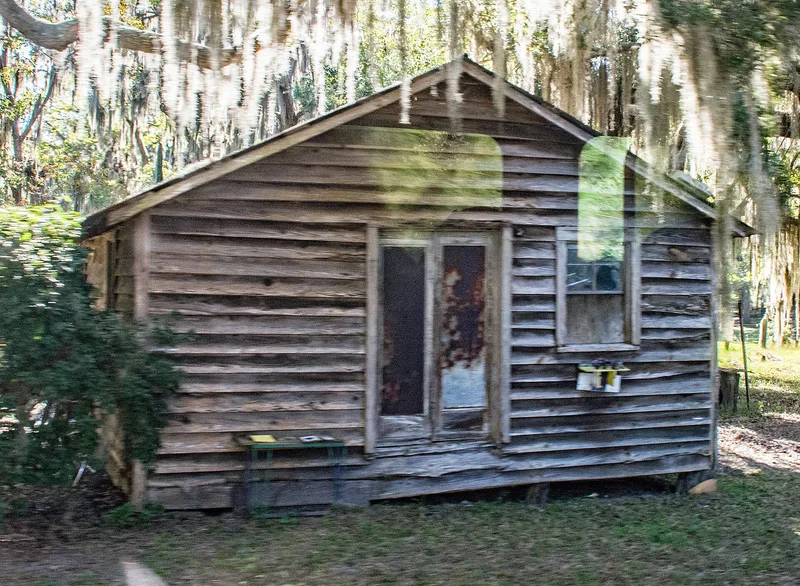
Hog Hammock is a 427-acre African-American community on the east side of Sapelo Island, a barrier island reached mainly by boat. Its roughly 50 historic houses are small, one-story frame dwellings with gabled roofs and front porches, built by local carpenters between the 1870s and the early 1960s. They are scattered along dirt roads and grouped by family around large live oaks, following a layout that predates an 1891 plat. Community landmarks include St. Luke's Baptist Church, the two-story Farmers' Alliance Lodge Hall, a former Rosenwald school and several stores. The settlement began with land sales to freedmen in 1878 and later took in residents relocated from other island communities under R. J. Reynolds, Jr., until his death in 1964. It is the last surviving historic African-American settlement on Sapelo and preserves Gullah traditions, which is why it was listed for ethnic heritage, community planning and architecture.
Machine-generated summary. This summary was generated by a language model from the official nomination document and has not been reviewed line by line by an editor. It may contain errors. Check the source document before relying on any detail. Source: nomination document (PDF) · catalog entry. Generated October 2026 (model claude-sonnet-5-5, prompt v1.0-2026-10-29).
| Period of significance | 1865-1964 |
|---|---|
| Styles | No style |
| Areas of significance | Community Planning and Development, Black, Architecture |
| Acreage | 427 |
| Boundary source | NPS cultural-resource GIS polygon |
| Full listing page | Hog Hammock Historic District (property record) |
What listing means for this property
This is a historic district. Buildings within its boundary are either contributing (they add to the district's significance) or non-contributing. Owners of contributing income-producing buildings can claim the 20% federal rehabilitation tax credit; homeowners should look at state credits. National Register districts impose no design review by themselves; a local historic district ordinance, if one exists, does (the difference explained).
General information, not legal or tax advice. Rules change; confirm with your State Historic Preservation Office or a qualified adviser.