Hamilton Historic District

Why it's listed
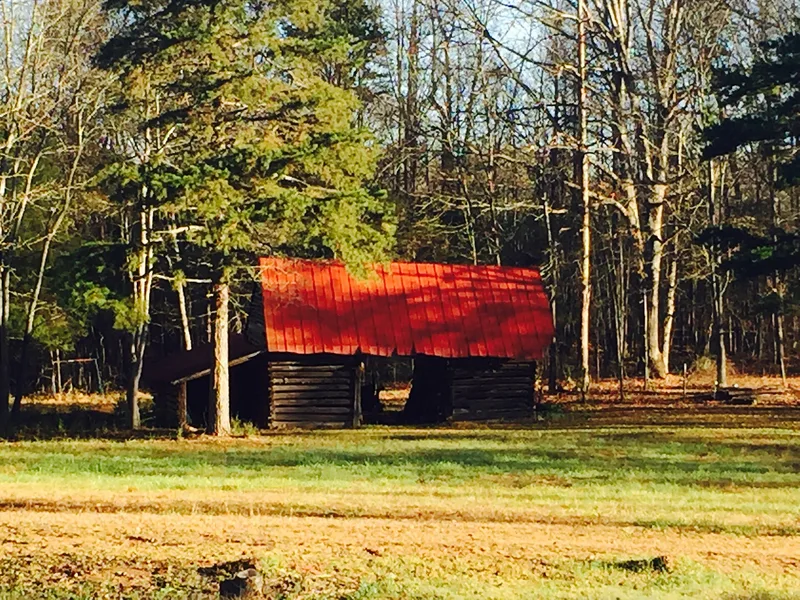
Three farmhouses and ten outbuildings make up this small settlement beside Georgia State Route 51 near Carnesville, in Franklin County. The group sits among rolling hills, farmland and hardwood forest along the Old Federal Road. Two of the houses, a Plantation Plain dwelling that began as a small log house and a Central Hallway house with a rear ell, date from about 1860. The third is a Craftsman bungalow from the late 1920s, built by Alice Hamilton, who also had log outbuildings made from timber on her land. Together they show how a single family, the Hamiltons, farmed and held the Walnut Hill post office over several generations. Asa Brawner, a doctor, minister and state representative, built the earliest house before selling to Cyrus Hamilton in 1870. The district was listed for its representation of small subsistence farms in north Georgia and for its modest, locally built architecture, including later outbuildings that continue older building traditions.
Machine-generated summary. This summary was generated by a language model from the official nomination document and has not been reviewed line by line by an editor. It may contain errors. Check the source document before relying on any detail. Source: nomination document (PDF) · catalog entry. Generated October 2026 (model claude-sonnet-5-5, prompt v1.0-2026-10-29).
| Period of significance | c. 1860-1964 |
|---|---|
| Styles | Late 19th and Early 20th Century American Movements/Bungalow/Craftsman; Other/Central Hallway; Other/Plantation Plain |
| Areas of significance | Architecture, Agriculture |
| Acreage | 25 |
| Boundary source | NPS cultural-resource GIS polygon |
| Full listing page | Hamilton Historic District (property record) |
What listing means for this property
This is a historic district. Buildings within its boundary are either contributing (they add to the district's significance) or non-contributing. Owners of contributing income-producing buildings can claim the 20% federal rehabilitation tax credit; homeowners should look at state credits. National Register districts impose no design review by themselves; a local historic district ordinance, if one exists, does (the difference explained).
General information, not legal or tax advice. Rules change; confirm with your State Historic Preservation Office or a qualified adviser.