Fannin-Cooper Farm

Why it's listed
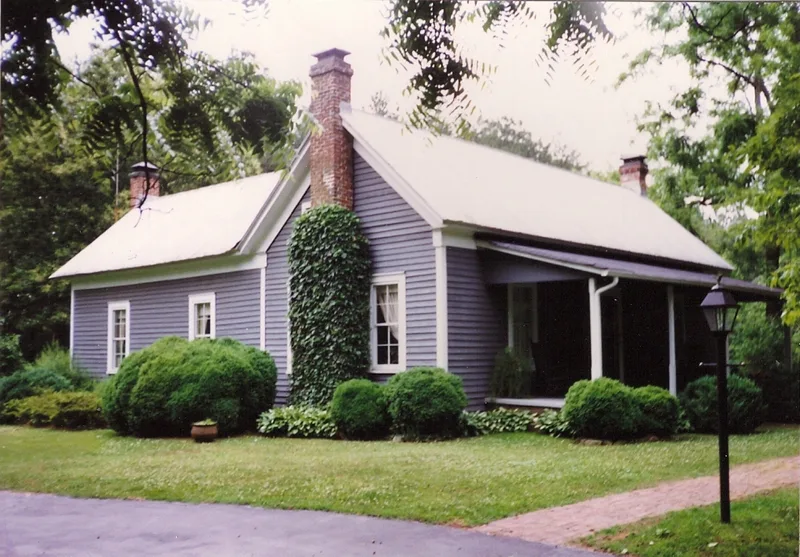
Fannin-Cooper Farm is an 82.2-acre working farm on Smith Road in Hiram, in eastern Paulding County, Georgia. Its core is a one-story central-hall farmhouse built in 1887, a board-and-batten double-pen house from 1882 used as a tenant house, two barns, a corncrib, a hand-dug well, pasture, woods and two streams. Christopher Fannin built the early buildings and grew cotton and corn, and raised cattle and hogs. His children continued farming until 1962, when the property was sold to the Cooper family, which still operates it and converted terraced fields to pasture under a 1962 soil and water conservation plan. The farm was listed as a district for its agricultural significance and for the quality of its farm buildings. Together they show how a small family farm in this part of Georgia was laid out and worked between 1882 and 1962, with outbuildings placed close to the house and the land arranged for practical use.
Machine-generated summary. This summary was generated by a language model from the official nomination document and has not been reviewed line by line by an editor. It may contain errors. Check the source document before relying on any detail. Source: nomination document (PDF) · catalog entry. Generated October 2026 (model claude-sonnet-5-5, prompt v1.0-2026-10-29).
| Period of significance | 1882-1962 |
|---|---|
| Styles | Central-hallway plan house; double-pen plan house |
| Areas of significance | Architecture, Agriculture |
| Acreage | 82.2 |
| Boundary source | NPS cultural-resource GIS polygon |
| Full listing page | Fannin-Cooper Farm (property record) |
What listing means for this property
This is a historic district. Buildings within its boundary are either contributing (they add to the district's significance) or non-contributing. Owners of contributing income-producing buildings can claim the 20% federal rehabilitation tax credit; homeowners should look at state credits. National Register districts impose no design review by themselves; a local historic district ordinance, if one exists, does (the difference explained).
General information, not legal or tax advice. Rules change; confirm with your State Historic Preservation Office or a qualified adviser.