Fairview Historic District

The National Park Service has not published a boundary polygon for this district; the map shows the listed properties inside it and the district's reference point.
Why it's listed
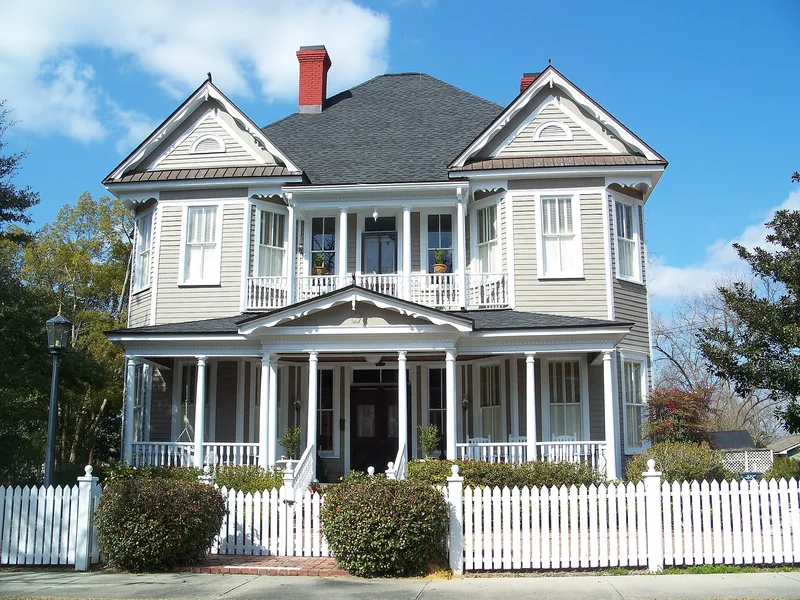
Fairview is a residential neighborhood just west of downtown Valdosta, Georgia, covering about nine and a half acres around River Street. Most of its wood-frame houses date from 1880 to 1915, when Valdosta prospered as a major sea-island cotton market. Architect Stephen Fulghum designed many of the larger homes, including a Queen Anne house on Wells Street, and Lloyd Greer later added two Prairie-style residences. Smaller cottages, Georgian-plan houses and a bungalow fill out the streetscape, and remnants of an old pecan grove survive among the yards. The district was also known for its residents. Several served as mayor, and others were court clerks, councilmen, a postmaster, a banker, a druggist and newspaper and business leaders. The neighborhood escaped the urban renewal that destroyed nearby homes in the 1950s and 1960s. Restoration began in the late 1970s, and residents later secured historic zoning protection for the area. It was listed for its architecture and local history.
Machine-generated summary. This summary was generated by a language model from the official nomination document and has not been reviewed line by line by an editor. It may contain errors. Check the source document before relying on any detail. Source: nomination document (PDF) · catalog entry. Generated October 2026 (model claude-sonnet-5-5, prompt v1.0-2026-10-29).
| Period of significance | 1880-1915 |
|---|---|
| Styles | Queen Anne Victorian, Victorian Eclectic with Eastlake details, Prairie, Bungalow, and vernacular Georgian plan |
| Areas of significance | Architecture |
| Acreage | 9.5 |
| Boundary source | not published |
| Full listing page | Fairview Historic District (property record) |
What listing means for this property
This is a historic district. Buildings within its boundary are either contributing (they add to the district's significance) or non-contributing. Owners of contributing income-producing buildings can claim the 20% federal rehabilitation tax credit; homeowners should look at state credits. National Register districts impose no design review by themselves; a local historic district ordinance, if one exists, does (the difference explained).
General information, not legal or tax advice. Rules change; confirm with your State Historic Preservation Office or a qualified adviser.