Emory University District

Why it's listed
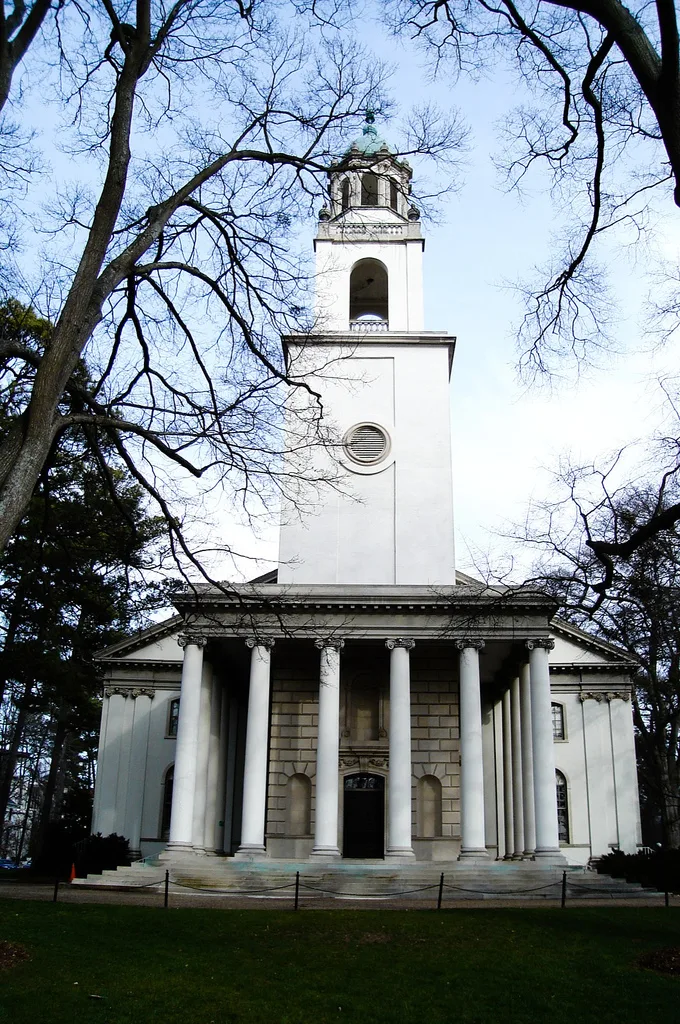
Emory University's historic core sits on a wooded, rolling site in Atlanta's Druid Hills, land donated by Asa Griggs Candler when the university was founded in 1915 as an outgrowth of Emory College at Oxford. New York architect Henry Hornbostel laid out a comprehensive campus plan around a main quadrangle and designed the first buildings, including the Law and Theology schools of 1916 and the Anatomy and Physiology laboratories of 1917. These reinforced concrete buildings are faced in pink and gray Georgia marble laid in an irregular pattern, with red tile roofs and arched windows that recall Italian villas. Later work includes the 1926 Candler Library by Edward Tilton and buildings by Hentz-Adler-Shutze, among them Glenn Memorial Church and its Little Chapel. The district was listed because it preserves the central part of Hornbostel's plan, which blended with natural dogwoods and pines, and because it reflects Methodist and Candler family influence on the campus.
Machine-generated summary. This summary was generated by a language model from the official nomination document and has not been reviewed line by line by an editor. It may contain errors. Check the source document before relying on any detail. Source: nomination document (PDF) · catalog entry. Generated October 2026 (model claude-sonnet-5-5, prompt v1.0-2026-10-29).
| Period of significance | 1915 |
|---|---|
| Styles | Modern Italianate (Hornbostel); Italian Renaissance and Wren-style designs in later buildings |
| Areas of significance | Community Planning and Development, Landscape Architecture, Education, Architecture, Religion, Social History |
| Acreage | 100 |
| Boundary source | NPS cultural-resource GIS polygon |
| Full listing page | Emory University District (property record) |
What listing means for this property
This is a historic district. Buildings within its boundary are either contributing (they add to the district's significance) or non-contributing. Owners of contributing income-producing buildings can claim the 20% federal rehabilitation tax credit; homeowners should look at state credits. National Register districts impose no design review by themselves; a local historic district ordinance, if one exists, does (the difference explained).
General information, not legal or tax advice. Rules change; confirm with your State Historic Preservation Office or a qualified adviser.