East End Historic District (Boundary Increase and Decrease)

Why it's listed
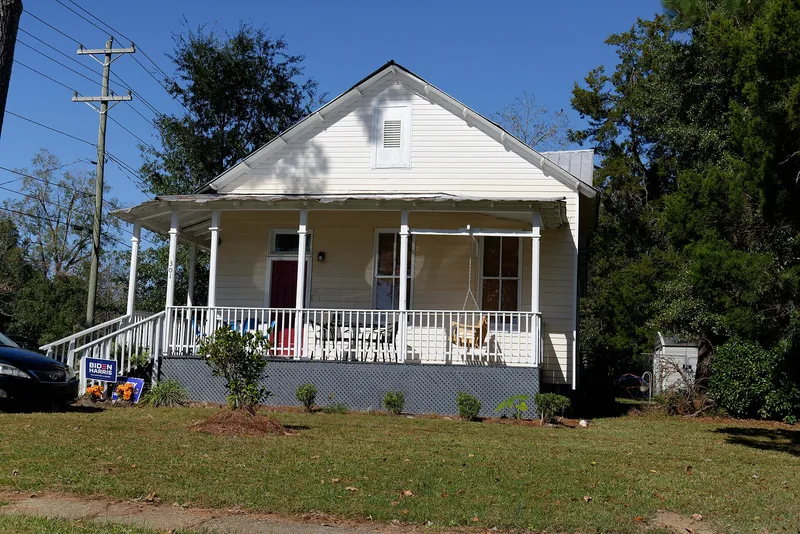
East End is a small residential neighborhood southeast of downtown Thomasville, Georgia, south of the railroad tracks. Its lots were first offered for sale around 1885, and development began in earnest in 1894 under a local realtor. The original listing covered about two blocks of Second Empire, Folk Victorian and Craftsman houses. The amendment adds houses built from about 1930 to the late 1940s, mostly modest one-story wood bungalows with simple Craftsman details such as exposed rafters, knee braces and porch posts on brick piers. It also adds a brick pumphouse and removes three properties lost to demolition. The district now holds about 40 acres, with roughly 88 contributing resources. Early residents were clerks, tradespeople and skilled laborers, and after World War II temporary veterans housing and multi-family occupancy appeared. Several streets remain unpaved, a rare survival for an in-town neighborhood. It was listed for its planned layout and its intact range of house types.
Machine-generated summary. This summary was generated by a language model from the official nomination document and has not been reviewed line by line by an editor. It may contain errors. Check the source document before relying on any detail. Source: nomination document (PDF) · catalog entry. Generated October 2026 (model claude-sonnet-5-5, prompt v1.0-2026-10-29).
| Period of significance | 1885 - 1953 |
|---|---|
| Styles | Late 19th and Early 20th Century American Movements: Bungalow/Craftsman |
| Areas of significance | Architecture, Community Planning and Development |
| Acreage | 40 |
| Boundary source | NPS cultural-resource GIS polygon |
| Full listing page | East End Historic District (Boundary Increase and Decrease) (property record) |
What listing means for this property
This is a historic district. Buildings within its boundary are either contributing (they add to the district's significance) or non-contributing. Owners of contributing income-producing buildings can claim the 20% federal rehabilitation tax credit; homeowners should look at state credits. National Register districts impose no design review by themselves; a local historic district ordinance, if one exists, does (the difference explained).
General information, not legal or tax advice. Rules change; confirm with your State Historic Preservation Office or a qualified adviser.