Craig, Robert, Plantation

Why it's listed
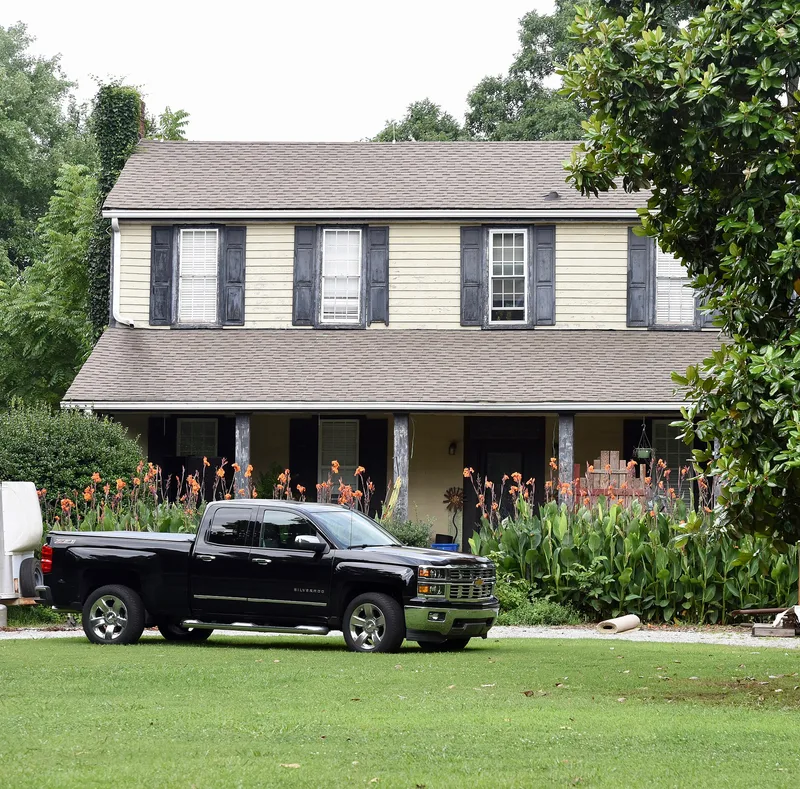
Located along Five Forks Trickum Road near Lawrenceville, this 23-acre property centers on a two-story frame house built in the early 1830s for Robert Craig and his wife Nancy Adair Craig. The house follows the Plantation Plain form: five bays wide, a central hall, two rooms on each side, a full-length front porch, brick end chimneys and a fieldstone foundation. Inside, heart-pine floors, wide pine boards and four modest classical mantels survive. A historic iron fence, a family cemetery with ten marked burials, and surrounding pasture and woodland complete the setting. Craig's farm grew cotton, corn and wheat and raised livestock, and tax records show it reached 2,140 acres and 86 enslaved people in 1861. Only the house and 23 acres remain. The former locations of barns, smokehouses and about 20 slave cabins give the site archaeological potential. It was recognized as a rare surviving antebellum farm in a fast-growing county, and for its architecture.
Machine-generated summary. This summary was generated by a language model from the official nomination document and has not been reviewed line by line by an editor. It may contain errors. Check the source document before relying on any detail. Source: nomination document (PDF) · catalog entry. Generated October 2026 (model claude-sonnet-5-5, prompt v1.0-2026-10-29).
| Period of significance | 1830s-1875 |
|---|---|
| Styles | Plantation Plain (Mid-19th century) |
| Areas of significance | Agriculture, Architecture |
| Acreage | 23 |
| Boundary source | NPS cultural-resource GIS polygon |
| Full listing page | Craig, Robert, Plantation (property record) |
What listing means for this property
This is a historic district. Buildings within its boundary are either contributing (they add to the district's significance) or non-contributing. Owners of contributing income-producing buildings can claim the 20% federal rehabilitation tax credit; homeowners should look at state credits. National Register districts impose no design review by themselves; a local historic district ordinance, if one exists, does (the difference explained).
General information, not legal or tax advice. Rules change; confirm with your State Historic Preservation Office or a qualified adviser.