Bethesda Home for Boys

Why it's listed
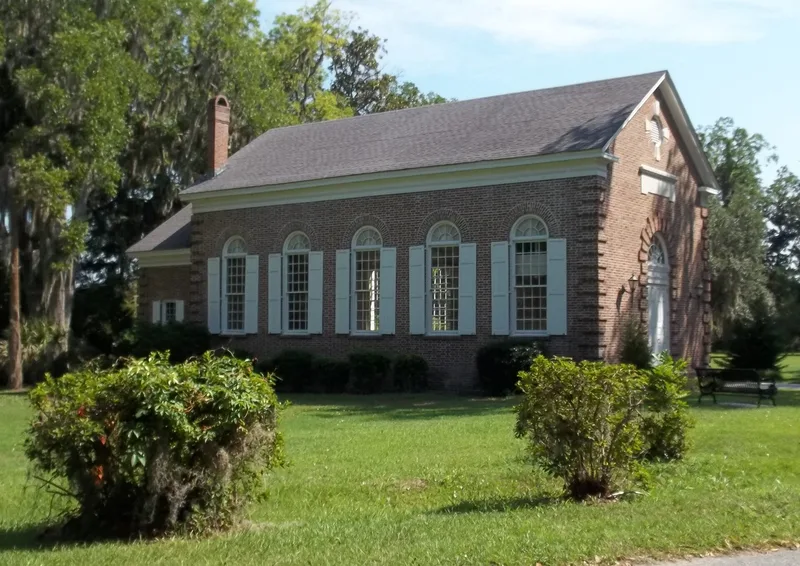
Bethesda Home for Boys is an orphanage campus of roughly 650 acres south of Savannah, Georgia. George Whitefield laid its first brick on March 25, 1740, to shelter destitute children, and it is described as the first charity in America and the oldest existing orphanage. Fires in 1773 and 1805 destroyed the first two main buildings, and a permanent structure was completed in 1870. Its center section has since been removed, leaving two two-story wings divided by a courtyard. A 1968 administration building occupies the approximate site of Whitefield's original house, and a small neo-classical brick chapel from 1925 is among the notable buildings. After a period of ruin and state or city control, the Union Society bought the tract in 1854 and has administered it since. Over 8,000 boys have been helped. The complex is largely self-contained, with residences, a gym, a cafeteria, shops and recreation facilities, and it was listed for its humanitarian, educational and historical importance.
Machine-generated summary. This summary was generated by a language model from the official nomination document and has not been reviewed line by line by an editor. It may contain errors. Check the source document before relying on any detail. Source: nomination document (PDF) · catalog entry. Generated October 2026 (model claude-sonnet-5-5, prompt v1.0-2026-10-29).
| Period of significance | 18th and 19th centuries (specific date 1740) |
|---|---|
| Styles | Neo-classical (1925 chapel); 1870 three-story pedimented building |
| Areas of significance | Education, Social History |
| Acreage | 650 |
| Boundary source | NPS cultural-resource GIS polygon |
| Full listing page | Bethesda Home for Boys (property record) |
What listing means for this property
This is a historic district. Buildings within its boundary are either contributing (they add to the district's significance) or non-contributing. Owners of contributing income-producing buildings can claim the 20% federal rehabilitation tax credit; homeowners should look at state credits. National Register districts impose no design review by themselves; a local historic district ordinance, if one exists, does (the difference explained).
General information, not legal or tax advice. Rules change; confirm with your State Historic Preservation Office or a qualified adviser.