Adams, Charles R., Park (Additional Documentation)

Why it's listed
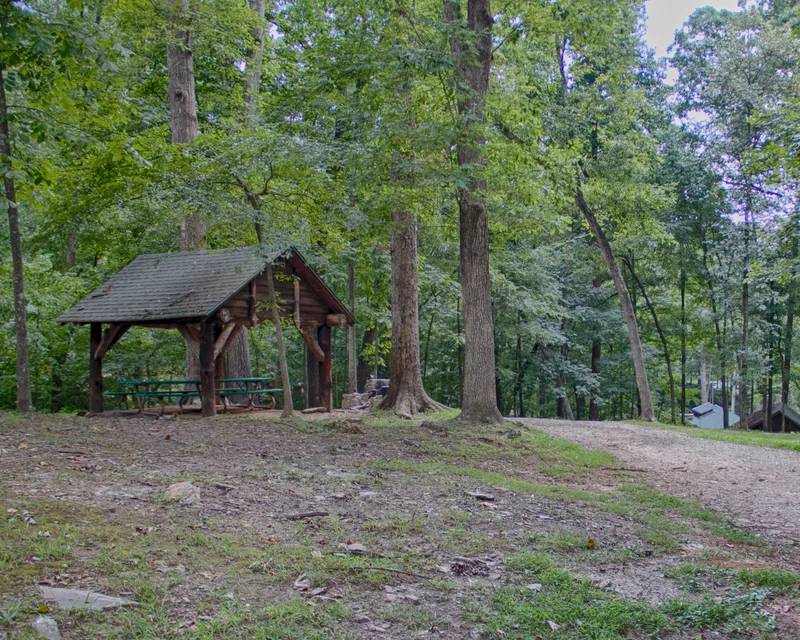
Charles R. Adams Park is a 32-acre city park in the Cascade Heights neighborhood of southwest Atlanta, about six miles from downtown. Work began in the mid-1930s on a design by William L. Monroe, Sr., and the park was dedicated in 1940. Its hilly, wooded grounds use curving paths and rustic materials, including granite walls, stairs, bridges, culverts and urns, plus log picnic shelters, stone grills, a shaded stream area known as the canyon, and a 1.7-acre fishing lake. One bridge carries a "WPA 1938" inscription. Three historic buildings contribute: the 1936 Cascade Community Clubhouse, the 1942 Colonial Revival library, and a c. 1950 gymnasium now used for maintenance. The park first served white residents of Fulton County and reflects Atlanta's segregated park system, which was challenged in the 1950s and 1960s. It is recognized for landscape architecture, recreation and community planning from 1936 to 1962. The adjacent golf course is excluded because of alterations.
Machine-generated summary. This summary was generated by a language model from the official nomination document and has not been reviewed line by line by an editor. It may contain errors. Check the source document before relying on any detail. Source: nomination document (PDF) · catalog entry. Generated October 2026 (model claude-sonnet-5-5, prompt v1.0-2026-10-29).
| Period of significance | 1936-1962 |
|---|---|
| Styles | Late 19th and 20th Century Revivals: Colonial Revival and Tudor Revival |
| Areas of significance | Landscape Architecture, Entertainment/Recreation, Community Planning and Development |
| Acreage | 154 |
| Boundary source | NPS cultural-resource GIS polygon |
| Full listing page | Adams, Charles R., Park (Additional Documentation) (property record) |
What listing means for this property
This is a historic district. Buildings within its boundary are either contributing (they add to the district's significance) or non-contributing. Owners of contributing income-producing buildings can claim the 20% federal rehabilitation tax credit; homeowners should look at state credits. National Register districts impose no design review by themselves; a local historic district ordinance, if one exists, does (the difference explained).
General information, not legal or tax advice. Rules change; confirm with your State Historic Preservation Office or a qualified adviser.