Winehaven

Why it's listed
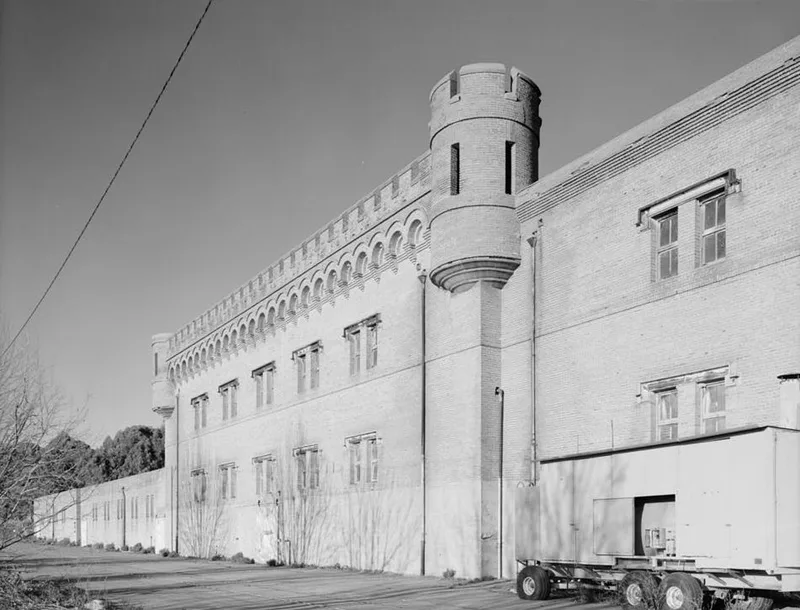
Winehaven is a turn-of-the-century winery complex on the shore of the Point San Pablo peninsula near Richmond, California. The California Wine Association built it in 1908 as its headquarters and production center, and it was described at the time as one of the largest wineries in the world. The main winery is a two-and-a-half-story brick building with a crenellated parapet and corner turrets, and other brick and concrete buildings share the castle-like look. The complex also held a hotel, a school, a post office, a steam plant, and shingled cottages for workers below the superintendent's house. A long wharf and rail connections moved grapes in and wine out. Prohibition closed the operation in 1919, and the Navy bought the site in 1941 for a fuel depot. Because of its isolation and protective ownership, the layout has changed little, and the nomination treats it as a representative early twentieth-century industrial complex.
Machine-generated summary. This summary was generated by a language model from the official nomination document and has not been reviewed line by line by an editor. It may contain errors. Check the source document before relying on any detail. Source: nomination document (PDF) · catalog entry. Generated October 2026 (model claude-sonnet-5-5, prompt v1.0-2026-10-29).
| Period of significance | 1900- |
|---|---|
| Styles | Castellated, Rhineland-castle-like industrial architecture with crenellated parapets and corner turrets |
| Areas of significance | Industry, Historic - Aboriginal, Commerce, Historic - Non-Aboriginal, Architecture |
| Acreage | 100 |
| Boundary source | NPS cultural-resource GIS polygon |
| Full listing page | Winehaven (property record) |
What listing means for this property
This is a historic district. Buildings within its boundary are either contributing (they add to the district's significance) or non-contributing. Owners of contributing income-producing buildings can claim the 20% federal rehabilitation tax credit; homeowners should look at state credits. National Register districts impose no design review by themselves; a local historic district ordinance, if one exists, does (the difference explained).
General information, not legal or tax advice. Rules change; confirm with your State Historic Preservation Office or a qualified adviser.