Senior Officers Quarters Historic District, Yerba Buena Island

Why it's listed
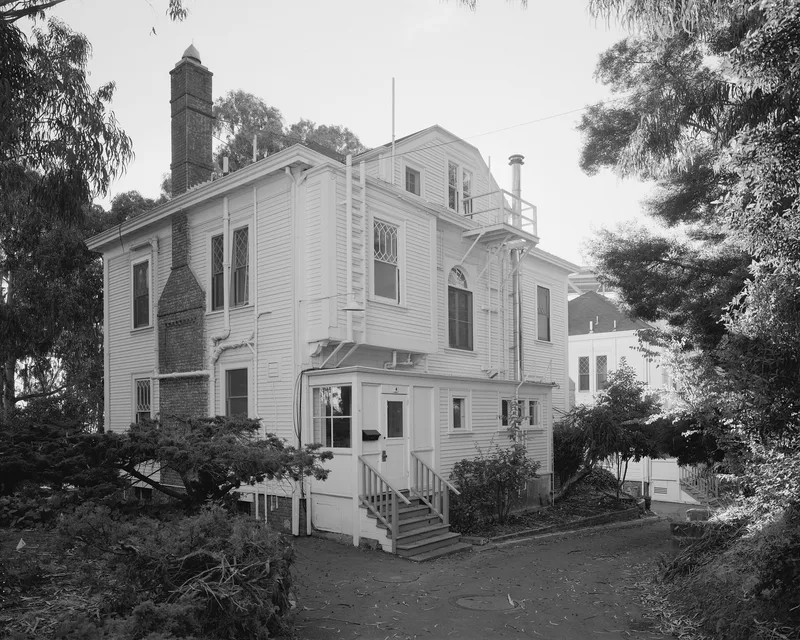
Senior Officers' Quarters Historic District occupies about an acre on a hilltop above East Point on Yerba Buena Island, north of Interstate 80 and the San Francisco-Oakland Bay Bridge. It contains eleven contributing resources: Quarters 1 through 7, three ancillary buildings (83, 205 and 230), and interrelated landscape elements, built between 1900 and 1944. The group sits on the island's largest flat, buildable area, which served as its main housing complex. Quarters 1, completed around 1900, is a three-story Classical Revival residence with a Doric portico, solariums and a central-hall plan. Also called the Nimitz Residence, it housed the Naval Station commandant until 1945 and Flag Officers afterward until 1997. Quarters 2 through 5 are similar three-story, clapboard-clad houses finished in 1900 and 1901. During the 1930s the Navy beautified the island, and landscape designer Lucille Woolpert designed the gardens behind the quarters. The district reflects the island's long role as a Navy station.
Machine-generated summary. This summary was generated by a language model from the official nomination document and has not been reviewed line by line by an editor. It may contain errors. Check the source document before relying on any detail. Source: nomination document (PDF) · catalog entry. Generated October 2026 (model claude-sonnet-5-5, prompt v1.0-2026-10-29).
| Styles | Classical Revival |
|---|---|
| Areas of significance | Military, Architecture |
| Acreage | 3 |
| Boundary source | NPS cultural-resource GIS polygon |
| Full listing page | Senior Officers Quarters Historic District, Yerba Buena Island (property record) |
What listing means for this property
This is a historic district. Buildings within its boundary are either contributing (they add to the district's significance) or non-contributing. Owners of contributing income-producing buildings can claim the 20% federal rehabilitation tax credit; homeowners should look at state credits. National Register districts impose no design review by themselves; a local historic district ordinance, if one exists, does (the difference explained).
General information, not legal or tax advice. Rules change; confirm with your State Historic Preservation Office or a qualified adviser.