Schramsberg Vineyard

Why it's listed
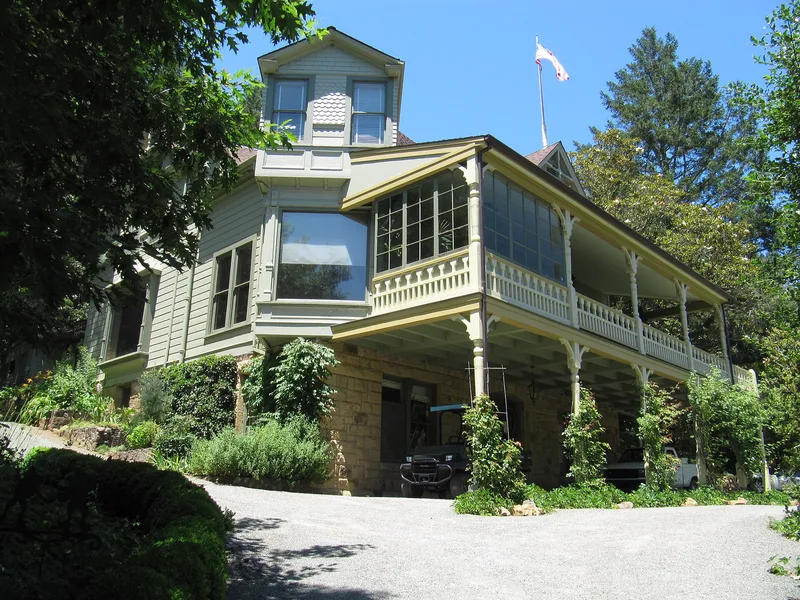
Schramsberg Vineyard covers about 170 acres of hilly land southwest of the highway between St. Helena and Calistoga. Jacob Schram, a former barber who grew up in a German winemaking region, began planting there after 1862. He dug storage tunnels into the hillside to keep wine cool and humid, starting the first in the mid-1860s and adding a second in 1881. The district also holds an 1889 Queen Anne house, a bunkhouse from about 1870, a barn built in 1892 after a fire, a formal garden and an olive allee. Schram kept production small, used only his own grapes and sold no crop to large cellars, so his wine stood for quality at a time when many Napa Valley producers failed. The vineyard declined after 1905 and returned to production from 1965, adding newer buildings that do not contribute to the historic character. The older core remains largely intact.
Machine-generated summary. This summary was generated by a language model from the official nomination document and has not been reviewed line by line by an editor. It may contain errors. Check the source document before relying on any detail. Source: nomination document (PDF) · catalog entry. Generated October 2026 (model claude-sonnet-5-5, prompt v1.0-2026-10-29).
| Period of significance | 1867-1905 |
|---|---|
| Styles | Queen Anne; Other: Tunnels; No Style |
| Areas of significance | Industry, Agriculture |
| Acreage | 170 |
| Boundary source | NPS cultural-resource GIS polygon |
| Full listing page | Schramsberg Vineyard (property record) |
What listing means for this property
This is a historic district. Buildings within its boundary are either contributing (they add to the district's significance) or non-contributing. Owners of contributing income-producing buildings can claim the 20% federal rehabilitation tax credit; homeowners should look at state credits. National Register districts impose no design review by themselves; a local historic district ordinance, if one exists, does (the difference explained).
General information, not legal or tax advice. Rules change; confirm with your State Historic Preservation Office or a qualified adviser.