Sacramento Northern Railway Historic District

Why it's listed
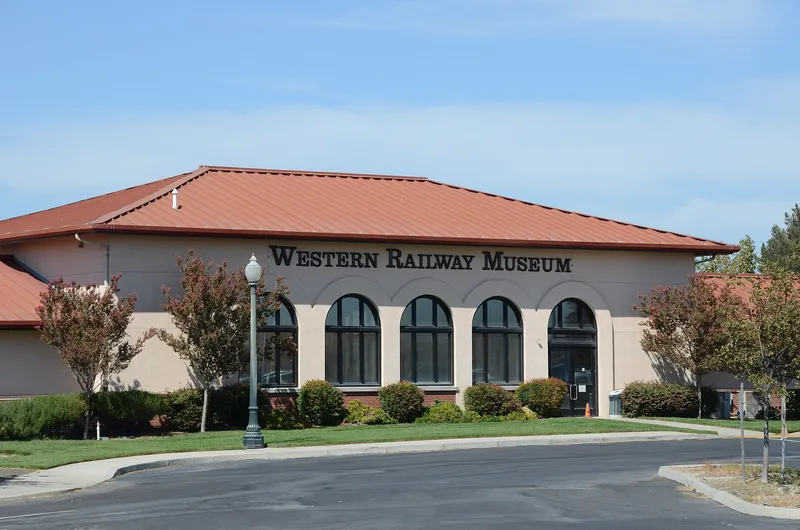
This 277-acre district in rural Solano County, California, combines a 21-mile segment of the former Sacramento Northern Railway with the 22-acre Western Railway Museum. The fourteen-mile main segment, from Montezuma to Dozier, was built in 1911-1913 by the Oakland, Antioch and Eastern Railway as a high-speed electric interurban line. A seven-mile branch from Dozier to Cannon was added by the Federal government in 1946. The route crosses gently rolling grassland and marsh with grades rarely above 0.5 percent, which allowed trains to reach 60 miles per hour. Surviving elements include the earthen grade, 70-pound rails, many period ties, culverts, bridges and a few line-side buildings such as the Molena warehouse. The Bay Area Electric Railroad Association, founded in 1946, developed the museum and restored more than five miles of track with replicated overhead wire. The district is recognized for its intact rural interurban landscape and its role in railway preservation.
Machine-generated summary. This summary was generated by a language model from the official nomination document and has not been reviewed line by line by an editor. It may contain errors. Check the source document before relying on any detail. Source: nomination document (PDF) · catalog entry. Generated October 2026 (model claude-sonnet-5-5, prompt v1.0-2026-10-29).
| Areas of significance | Transportation, Engineering, Architecture, Commerce, Education |
|---|---|
| Boundary source | NPS cultural-resource GIS polygon |
| Full listing page | Sacramento Northern Railway Historic District (property record) |
What listing means for this property
This is a historic district. Buildings within its boundary are either contributing (they add to the district's significance) or non-contributing. Owners of contributing income-producing buildings can claim the 20% federal rehabilitation tax credit; homeowners should look at state credits. National Register districts impose no design review by themselves; a local historic district ordinance, if one exists, does (the difference explained).
General information, not legal or tax advice. Rules change; confirm with your State Historic Preservation Office or a qualified adviser.