Oxnard, Henry T., Historic District

Why it's listed
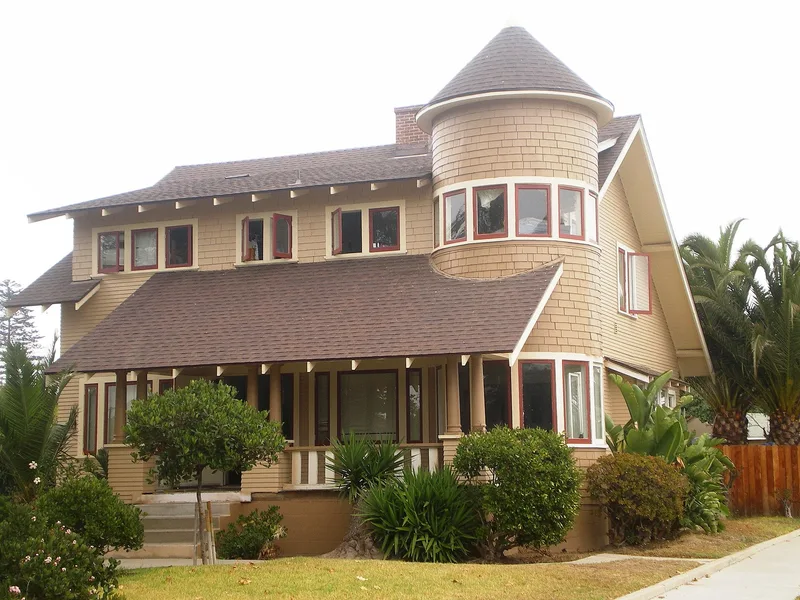
This residential neighborhood lies west of downtown Oxnard along F and G Streets, between Palm and Fifth Streets. It holds 139 contributing houses and 5 noncontributing ones, most built between 1909 and 1941. Bungalow and Craftsman homes make up the largest group, followed by Spanish and Mediterranean Revival, Colonial Revival, Tudor Revival, Prairie School and a few Ranch houses. Mature sycamores line F Street, and the original street widths and house setbacks survive. Most houses have had only modest changes, and many are being restored. The district is recognized for its social history as the home of Oxnard's founding families, merchants, professionals, government and factory officials and tradespeople. It is also recognized for architecture, as the largest and most intact residential area from 1900 to 1941 in Ventura County. After 1941, naval base development tripled the city's population and growth moved away from this core.
Machine-generated summary. This summary was generated by a language model from the official nomination document and has not been reviewed line by line by an editor. It may contain errors. Check the source document before relying on any detail. Source: nomination document (PDF) · catalog entry. Generated October 2026 (model claude-sonnet-5-5, prompt v1.0-2026-10-29).
| Period of significance | 1909-1941 |
|---|---|
| Styles | Mission/Spanish Colonial Revival; Bungalow/Craftsman; Colonial Revival |
| Areas of significance | Architecture, Social History |
| Acreage | 70 |
| Boundary source | NPS cultural-resource GIS polygon |
| Full listing page | Oxnard, Henry T., Historic District (property record) |
What listing means for this property
This is a historic district. Buildings within its boundary are either contributing (they add to the district's significance) or non-contributing. Owners of contributing income-producing buildings can claim the 20% federal rehabilitation tax credit; homeowners should look at state credits. National Register districts impose no design review by themselves; a local historic district ordinance, if one exists, does (the difference explained).
General information, not legal or tax advice. Rules change; confirm with your State Historic Preservation Office or a qualified adviser.