Nuestra Senora Reina de la Paz

Why it's listed
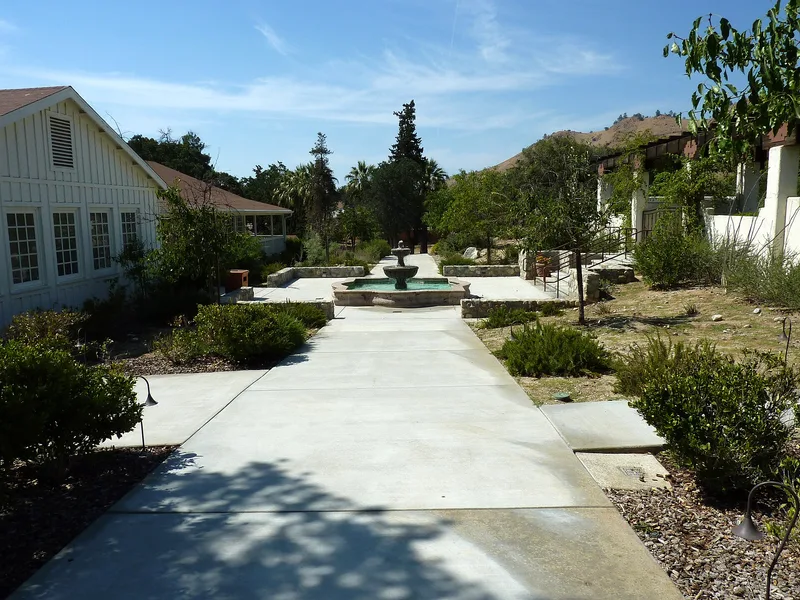
Nuestra Señora Reina de La Paz, known as La Paz, is a 187-acre property in Keene, in the foothills of the Tehachapi Mountains. Its buildings reflect three phases of use. Four buildings date to the 1910s, when a nearby rock quarry operated. From the 1920s to the 1960s the site served as a tuberculosis sanatorium, leaving dormitory, hospital, cafeteria and residential buildings, many with Craftsman or California Bungalow features and board-and-batten or stucco walls. In the 1970s the United Farm Workers of America made La Paz its national headquarters, and Cesar Chavez lived there year-round with other union staff. The union added buildings such as an administration building, manufactured housing units, a water tank and satellite dishes. The district is listed for its association with Chavez and the union between 1970 and 1984. Chavez is buried in a memorial garden on the grounds. The property remains in use, with a visitor center built in 2004 on the foundation of an earlier bunkhouse and infirmary.
Machine-generated summary. This summary was generated by a language model from the official nomination document and has not been reviewed line by line by an editor. It may contain errors. Check the source document before relying on any detail. Source: nomination document (PDF) · catalog entry. Generated October 2026 (model claude-sonnet-5-5, prompt v1.0-2026-10-29).
| Period of significance | 1970-1984 |
|---|---|
| Styles | Bungalow/Craftsman; Mission/Spanish Colonial Revival; Modern Movement; Ranch Style; No Style |
| Areas of significance | Industry, Social History, Hispanic, Politics/Government |
| Acreage | 187 |
| Boundary source | NPS cultural-resource GIS polygon |
| Full listing page | Nuestra Senora Reina de la Paz (property record) |
What listing means for this property
This is a historic district. Buildings within its boundary are either contributing (they add to the district's significance) or non-contributing. Owners of contributing income-producing buildings can claim the 20% federal rehabilitation tax credit; homeowners should look at state credits. National Register districts impose no design review by themselves; a local historic district ordinance, if one exists, does (the difference explained).
General information, not legal or tax advice. Rules change; confirm with your State Historic Preservation Office or a qualified adviser.